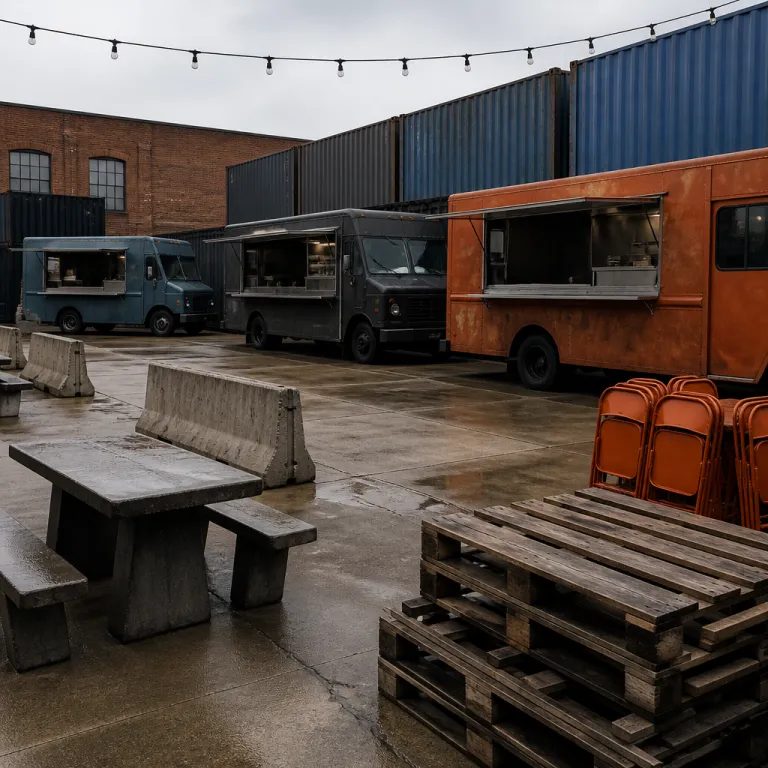
Raleigh food trucks pop-up dining as the Triangle’s real test kitchen
In North Carolina’s Triangle, the most interesting meals often roll in on wheels. Raleigh’s food trucks and pop-up dining scene has evolved from a novelty parked behind a brewery into a roaming network of mobile kitchens that treat every parking lot like a potential dining room. If you care about great food in downtown Raleigh, you now follow the weekly truck schedule and pop-up calendar as closely as you track the latest tasting menu.
Start with the scale: Visit Raleigh’s Food Trucks in Raleigh, N.C. overview estimates roughly 100 registered food trucks working the region, which means the city quietly runs one of the densest mobile food ecosystems in North Carolina. That many trucks create a constant churn of events, from a Tuesday lunch lineup in a plaza near downtown to a late night pop-up behind a bar in Wake Forest, and the weekly schedule reads more like a festival circuit than a static restaurant grid. The result is a living laboratory where every mobile kitchen serves variety after variety of local food, testing what people will actually eat rather than what a landlord thinks will lease.
Pop-up dining events are the sharp edge of that experiment. A pop-up dining event is a temporary restaurant offering unique menus in unconventional locations, and in Raleigh those locations range from shipping containers to art galleries and community markets. When a food truck or chef stages one of these events, the team often uses live fire grills and mobile kitchens to push techniques that would be too risky for a lease-bound dining room, and that freedom is exactly why the region’s trucks and one-night-only dinners keep pulling serious cooks away from traditional paths.
Snap Pea Creative Dining proved the model early by turning secret supper clubs into a citywide obsession. Those dinners, often staged in underused spaces, showed how a one-night event could feel more electric than a white tablecloth room that has been open for a decade, and they set the tone for today’s wave of mobile kitchens. As founder Jacob Boehm told Raleigh Magazine in a 2022 profile, “People are willing to chase an experience if it feels truly one-night-only,” and that mindset now shapes how many Triangle chefs think about special events. Now when a new truck appears at an event in downtown Raleigh or Raleigh–Durham, regulars read the menu like a set list, scanning for the one dish that food lovers will still be talking about next month.
The economic logic is blunt. A truck in Raleigh can pivot its menu in a single day, while a restaurant on Fayetteville Street might need months to reprint menus, retrain staff, and reassure investors that a change will not tank revenue. That agility lets food trucks and pop-up chefs take real risks with fermentation, regional Carolina heirloom grains, or niche cuisines that might only draw a crowd once a week, and the city is better fed because of it. In this landscape, the line between event and restaurant blurs, and Raleigh’s mobile food and pop-up dining culture becomes the proving ground where tomorrow’s fixtures quietly earn their following.
From rodeos to plazas: where the Triangle actually eats now
If you want to understand how Raleigh food trucks and pop-up dining really work, skip the glossy lists and stand in the middle of Durham Central Park during a Food Truck Rodeo. On those Sundays, more than 30 food trucks and carts ring the grass, and the crowd becomes a moving map of what the Triangle craves, from Filipino skewers to Venezuelan arepas to North Carolina barbecue. That many trucks in one event turn the park into a temporary downtown plaza, and the energy makes most indoor brunches feel sleepy.
The rodeo is not just a spectacle; it is a regional summit for local food where Raleigh, Raleigh–Durham, Chapel Hill, and Wake Forest operators trade ideas between tickets. One truck serves variety in the form of Lao sausage and sticky rice, while the next offers fresh coastal Carolina shrimp rolls, and the line data is brutal but honest about which flavors resonate. For chefs, this kind of event is a live focus group that no market research firm can match, and for eaters it is a chance to enjoy a rotating schedule of great food without committing to a single cuisine.
Back in downtown Raleigh, the same logic plays out on a smaller scale at weekly brewery gatherings and office park lunches. A plaza that is empty after 17.00 on Monday can turn into a humming food court when three trucks pull up, plug in, and start sending out the kind of dips, tacos, and rice bowls that make people linger instead of driving straight home, and those micro events quietly reshape how the city uses its public space. When local organizers treat a truck rally as a special event rather than a side act, the neighborhood responds with actual foot traffic.
Pop-up markets are the next layer. Hybrid gatherings that mix food trucks, bakers, and makers now anchor many weekend events across North Carolina, and they are doing for small producers what the rodeos did for trucks. If you want a deeper look at how these markets function as vibrant gathering places for local flavor, the detailed guide on Raleigh food markets shows how chefs, farmers, and artisans share the same stage, and that same shared stage is where many future restaurant ideas are quietly test driven.
In this ecosystem, the schedule matters as much as the menu. Regulars know which week of the month a favorite food truck will be at a particular plaza, and they plan their errands and kids’ activities around that event rather than around a fixed dining room, which flips the old restaurant-first mentality on its head. Raleigh’s food trucks and pop-up dining scene has effectively turned the Triangle into a roaming food hall, and the smartest operators treat every parking lot like a potential dining room with its own neighborhood personality.
Why trucks and pop-ups can cook braver than dining rooms
The most important reason Raleigh’s mobile kitchens deserve more respect is simple: the economics reward courage instead of caution. A truck or pop-up kitchen carries lower fixed costs than a full restaurant lease, so a chef can afford to run a menu that might only make sense one night a week or at one specific event. That freedom shows up on the plate as bolder seasoning, stranger cuts, and a willingness to fail in public that you rarely see in a room with a long-term landlord.
Look at the rise of open fire cooking across the Triangle. Mobile rigs and live fire grills let chefs drag the flavor of a Carolina campfire into a downtown Raleigh alley, and the smoke signals draw a crowd faster than any marketing campaign, especially when the truck offers fresh bread or tortillas charred to the edge of comfort. Those same tools would be a logistical nightmare in many indoor kitchens, but on a truck or at a pop-up event they become part of the show, and the show is exactly what keeps regulars chasing the next schedule drop.
Pop-up dinners like the Kamayan nights at Peregrine push the model even further. Here, a chef uses the pop-up format to stage a fine dining level event, plating by hand on banana leaves and leaning into the communal, tactile joy of eating with your fingers, and the ticket price reflects the ambition rather than the square footage. In that context, a food truck parked outside or a satellite cart serving dips and drinks is not an afterthought; it is part of a layered experience that treats mobile food as a full partner. As one organizer told WRAL in 2023, “If the truck is here, it is here as a headliner, not just to fill space in the parking lot.”
The pipeline from truck to permanent space proves the point. Concepts like Mr. Burro, which moved from a truck into the Cora food hall, show how a menu can be stress tested across multiple events in Raleigh–Durham and Chapel Hill before committing to walls, and that path is now more common than the old “write a business plan, sign a lease, hope people come” model. Dosirak Durham followed a similar pop-up to permanent arc, using temporary events to refine its Korean comfort food until the demand justified a fixed address.
For bakers and pastry chefs, the same logic applies. Many of the most interesting sourdough loaves and laminated pastries in North Carolina start as pop-up stalls at farmers markets or as guest appearances at a truck that serves variety of brunch plates, and only later graduate into shared kitchens or micro bakeries. If you want to see how that pipeline intersects with plant-forward baking, the guide to vegan bakeries in Raleigh shows how local food artisans use temporary counters and markets to prove that a pastry case can offer fresh, indulgent options without relying on butter, and that same experimental spirit now runs through much of Raleigh’s food truck and pop-up culture.
There is a practical side for diners too. Because trucks and pop-ups can move, they can meet people where they already are, whether that is a Wake Forest brewery, a Chapel Hill campus plaza, or a Raleigh–Durham office park, and that mobility makes great food feel less like a destination and more like a daily option. When you can grab a bowl of something slow braised and deeply spiced between meetings, or enjoy a plate of grilled Carolina fish after a market run, the line between everyday eating and special event blurs in the best possible way.
To navigate this landscape, a few habits help. Check event schedules in advance, because the truck you want might only hit your side of town once a week, and arrive early to secure seating or a patch of shade before the rush. If you are serious about seasonal produce, pair your truck meals with a stop at the NC State Farmers Market, and the detailed seasonal guide on what is peaking right now can help you turn a casual lunch into a full Triangle food day.
The community table: how pop-ups reshape who gets to cook
Raleigh’s food trucks and pop-up dining scene is not just a new way to eat; it is a new way for chefs to enter the scene. For cooks without generational wealth or investor backing, a truck or pop-up can be the only realistic path into the industry, and that lower barrier is exactly why the Triangle’s mobile food landscape feels more diverse than many of its dining rooms. When a plaza event in downtown Raleigh features trucks run by first-generation families from across Carolina, Latin America, and Asia, the city’s flavor map widens in real time.
Community partners have noticed. Local breweries, art galleries, and community markets now build their calendars around food truck events, knowing that a strong lineup will pull in neighbors who might not otherwise cross the threshold, and that symbiosis keeps both sides afloat. In this context, a truck that offers fresh regional dishes and serves variety of snacks is not a side act but a co-headliner, and the shared schedule becomes a kind of informal cultural programming for North Carolina’s capital. As one downtown Raleigh brewer told WRAL, “If we book the right trucks, the taproom fills itself.”
Pop-up dining events also change how we think about hospitality. When you eat at a folding table under string lights, the distance between chef and guest shrinks, and conversations about sourcing, technique, or family recipes happen in line rather than through a server, which builds a different kind of trust. The official guidance for newcomers is simple and accurate: “What is a pop-up dining event? A temporary restaurant offering unique menus in unconventional locations. How can I find pop-up events in Raleigh? Follow local food blogs and social media for announcements. Are reservations required for pop-up dinners? Often, yes; check event details for specifics.”
That intimacy has ripple effects. When regulars know the person behind the window, they are more likely to follow that chef from truck to pop-up to permanent space, and that loyalty can matter more than any review, because it translates into real revenue on slow nights. In a region where the number of food trucks in Raleigh has climbed into triple digits over roughly a decade, that kind of relationship is the difference between a truck that fades after one season and one that quietly shapes what the city craves.
There is still work to do. City permitting, access to commissary kitchens, and the cost of compliant mobile equipment can all throttle growth, and without thoughtful policy, the next generation of operators might never get their shot, even if demand for mobile food keeps rising. If the Triangle wants to keep its reputation as a place where local food thrives, it will need to treat trucks and pop-ups as core infrastructure rather than as occasional entertainment.
For diners, the assignment is easier. Explore different neighborhoods, from Wake Forest cul de sacs to Chapel Hill side streets, and let the trucks and events you find there reset your sense of what counts as a restaurant, because the most memorable meals often happen where the asphalt meets the folding chair. In the end, the real rating is not the Yelp star but the line out the door on a Tuesday.
Key figures behind Raleigh’s mobile food movement
- Raleigh hosts around 100 active food trucks, according to Visit Raleigh’s food truck overview (updated 2023), which means the city supports more mobile kitchens per capita than many larger metros in North Carolina.
- Snap Pea Creative Dining has been operating for roughly a dozen years, a duration that shows how long-form pop-up projects can sustain both chef creativity and audience appetite when the events stay ambitious.
- The Durham Central Park Food Truck Rodeo regularly features more than 30 trucks at a single event, turning a few city blocks into one of the largest temporary dining rooms in the Triangle.
- Regional coverage from outlets like WRAL and Raleigh Magazine now tracks pop-up dinners, truck debuts, and mobile special events with the same seriousness once reserved for brick-and-mortar openings, a sign that Raleigh’s food trucks and pop-up dining culture has become part of the mainstream food conversation.
Sources
- Visit Raleigh, “Food Trucks in Raleigh, N.C.” (accessed 2023)
- WRAL, local food and dining coverage (2019–2023)
- Raleigh Magazine, features on pop-up dining and Snap Pea Creative Dining (2021–2023)