June at the State Farmers Market: reading the stalls like a menu
By the time the sun clears the pines over the State Farmers Market in Raleigh, the regulars have already worked half the aisles. They know that June is when Raleigh farmers market summer produce turns the covered sheds into a rolling seasonal menu, not just another market for anonymous shopping. Treat those rows of tables as you would a restaurant list, where the best choices change week to week and the most loyal customers learn the rhythm.
The State Farmers Market sits just south of downtown Raleigh at 1201 Agriculture Street, a market location that pulls growers from across central North Carolina and the wider northern part of the state. Officially, the hours run long — typically from early morning into the evening, seven days a week — but the real action for fresh produce happens before 9 a.m., when the most prized goods vanish into canvas totes. Regulars talk less about posted hours and more about timing, because the early crowd understands that seasonal buying is a skill you sharpen, not a chore you endure.
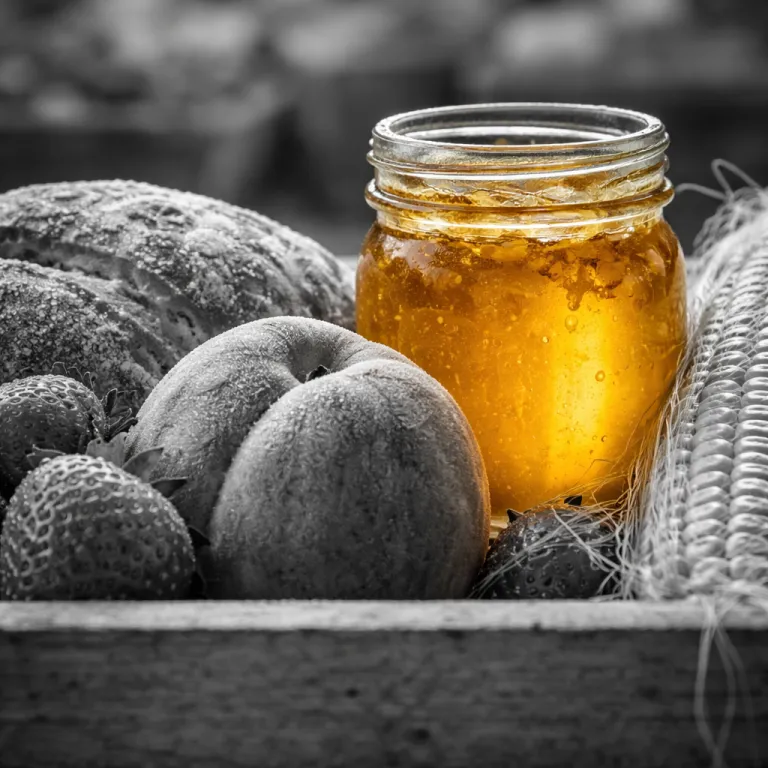
June means peaches from the Sandhills, blueberries from Chatham County, and sweet corn stacked in crates that smell like cut grass and sugar. Tomatoes finally taste like tomatoes again, and squash in every shade of yellow and green fills the farmers market tables, while vendors from Wake County and beyond lean over scales and swap recipes. If you time your visit right on a Saturday, you can walk the aisles by noon with enough fresh produce for a week of cooking and still have room in your bag for a few baked goods from the indoor building.
The State Farmers Market is not the only option for farmers markets in Raleigh, but it is the anchor, the state-run hub that sets the tone for the rest of the community. When people in North Raleigh or Holly Springs talk about what is peaking, they are usually comparing their neighborhood markets to what they saw here first. That is why serious cooks treat this place as their seasonal compass, checking what is piled high, what is missing, and which vendors are suddenly mobbed before Saturday’s noon rush.
Five June stalls that sell out by 9 a.m.
Walk the main produce building at the State Farmers Market just after opening, and you will see the same pattern every June. A handful of farmers have lines three deep while other vendors are still arranging their goods, and those early crowds are the best clue to where Raleigh farmers market summer produce is peaking. The smart move is to shop like a chef, hitting those high-demand stalls first, then looping back for everything else once the rush eases.
First stop is always the peach grower from the Sandhills, whose crates of freestones sit near the center aisle and perfume the entire Raleigh market shed. By 8:30 a.m., regulars from Wake Forest and Fuquay-Varina are already hauling away boxes, because these peaches are what Poole’s Diner and Stanbury want when they talk about local fruit. “On peak June Saturdays, we’re usually sold out of our best freestones by about 9 a.m.,” says longtime vendor Mary Collins of Collins Family Orchards, who has been bringing Sandhills peaches to the State Farmers Market for more than a decade.
Next, look for the Chatham County blueberry farmers, usually tucked along the north side of the building, where the air stays a little cooler. Their berries run from tiny and tart to almost plum-sized, and the best pints vanish before the official Saturday hours really get going. If you bake, this is where you stock up for muffins, galettes, and the kind of baked goods that make your kitchen smell like a downtown farmers’ bakery pop-up.
Third on the hit list is the sweet corn vendor whose truck bed becomes a mountain of just-picked ears, silk still damp from the field. The early crowd knows to pull back the husk just enough to check for tight, milky kernels, then buy by the dozen for grilling, chowder, or a simple sauté with squash and tomatoes. This is Raleigh farmers market summer produce at its most forgiving; even a basic cook can turn these ears into something that tastes like a restaurant side dish.
Fourth, find the tomato specialist, usually a family operation that has been in the State Farmers Market rotation for years and now draws chefs from across North Carolina. Their table reads like a seed catalog — Cherokee Purples, Sun Golds, German Johnsons — and the line often includes cooks from midtown restaurant kitchens and downtown spots who are shopping before service. When those chefs talk about farmers markets as their pantry, this is the stall they mean, and you can watch them choose cases with the same focus they bring to a Saturday night menu.
The fifth stall that empties early is not about produce at all; it is the baker inside the market building whose sourdough loaves and biscuits have become a quiet obsession for the community. By 9 a.m., the racks of bread, cinnamon rolls, and seasonal fruit hand pies are mostly gone, snapped up by shoppers who know that good baked goods are as much a part of Raleigh farmers market summer produce culture as any crate of peaches. If you want to understand why Raleigh markets feel like social clubs as much as shopping trips, stand here for ten minutes and listen to the regulars compare notes on which loaf pairs best with tomato sandwiches.
For a deeper look at how these spaces shape the city’s food culture, the guide to Raleigh food markets as vibrant gathering places for local flavor shows how markets across Wake County function as both pantry and public square. That same energy runs through the State Farmers Market on a busy June morning, when the line at a single stall tells you more about what is truly in season than any calendar. Around here, the real rating is not the online review but the fact that a farmer can sell out before breakfast is finished.
From State Farmers Market to neighborhood markets: a June circuit
Once you have walked the State Farmers Market in June, it becomes easier to read the rest of the Triangle’s farmers markets as a connected network rather than isolated events. Raleigh farmers market summer produce does not stop at Agriculture Street; it spills into midtown gatherings, downtown pop-ups, and smaller markets in Wake Forest, Holly Springs, and Fuquay-Varina. Think of the big state-run hub as the reference point, and the neighborhood markets as your weekly check-ins on how the season is evolving.
Midtown Farmers Market, for example, runs on Saturdays from 8 a.m. to noon, and its Saturday-morning rhythm attracts North Raleigh families who want fresh produce without crossing the Beltline. You will see many of the same farmers who sell at the State Farmers Market, but in a more compact setting where the community feels tight-knit and the lines move quickly. The best strategy is to arrive close to opening, hit your favorite vendors for peak goods, then linger over coffee while kids chase each other between stalls.
Downtown, the Raleigh City Farm market on Wednesday evenings turns a patch of urban soil into a midweek reset, with local greens, herbs, and small-batch goods that complement your weekend haul. The Black Farmers’ Market, held on select Sundays, brings in vendors from across North Carolina, centering Black growers and makers whose produce and baked goods often sell out before the official closing hours. These Raleigh events are where you feel the cultural side of seasonal shopping, as much about music, conversation, and shared recipes as about filling your fridge.
Beyond the city core, Wake Forest hosts its own small-town-style gatherings, while Holly Springs and Fuquay-Varina run markets that stretch from April to October, sometimes flirting with near year-round schedules when the weather cooperates. Those April–October seasons mean you can track the shift from strawberries and early greens to the full flush of Raleigh farmers market summer produce, then into the first apples and hardy greens of autumn. If you want a detailed playbook for the spring side of this circuit, the guide to spring at the NC State Farmers Market lays out which stalls to hit first before the June rush begins.
Across all these markets, the through line is simple: local farmers bring goods directly to customers, using a mix of cash, card, and increasingly online pre-orders to keep the flow efficient. That direct sales model, backed by tools like point-of-sale systems and basic logistics, is what keeps prices fair while still supporting growers’ margins. A 2013 report from the Georgia Department of Agriculture, “The Economic Impact of Georgia’s Agricultural Industry,” estimated that the Atlanta State Farmers Market alone generated more than $2 billion in annual economic activity, and while Raleigh operates on a smaller scale, the same principles of economic impact and community health apply.
Buying like a chef: seasonal strategy, hours, and restaurant links
Shopping Raleigh farmers market summer produce like a pro starts with respecting the hours and the heat. At the State Farmers Market, the posted hours stretch from early morning to late afternoon, but the best window for serious buying runs from opening until about 9 a.m., when the temperature and the crowds are still manageable. Arrive later and you will still find plenty of produce, yet the rare varieties and the most fragile goods will already be gone.
Think in terms of a June playbook rather than a random stroll through the market. First, check the weather, then plan your route based on which vendors tend to sell out earliest, using your previous visits as data points instead of relying on guesswork. Bring reusable bags, a small cooler if you are driving in from North Raleigh or Wake Forest, and enough cash to move quickly when a line forms around a stall with especially fresh produce.
Restaurants across Raleigh quietly run the same circuit, often hitting the State Farmers Market at dawn before service, then topping up at midtown or downtown events closer to their kitchens. Spots like Poole’s and Stanbury build parts of their menus around what they can reliably find from specific farmers, turning crates of tomatoes, corn, and peaches into dishes that taste like the season rather than a static recipe. When you eat a peach cobbler at a neighborhood restaurant or a tomato tart at a bakery, you are tasting the same goods you could have bought that morning from the very same vendors.
That overlap between home cooks and professional kitchens is why seasonal buying feels less like a chore and more like joining a quiet club. Everyone is working from the same calendar, whether they shop at the big state-run hub, the smaller Raleigh gatherings, or suburban spots in Holly Springs and Fuquay-Varina that run from April to October and sometimes nearly year-round. If you want to see how this same mindset plays out on wheels, the guide to the Raleigh food truck rodeo shows how trucks build menus around what they can find at the farmers markets, proving that the real rating is not the Yelp star, but the line out the door on a Tuesday.
Arrive early for best selection, bring reusable bags, and check the weather forecast before visiting. Market organizers, local farmers, and customers all play distinct roles in keeping these spaces running smoothly, from setting hours to managing parking and enforcing rules like no pets on the main floor. The shared goal is clear: increase access to fresh produce, support local agriculture, and keep the community coming back week after week.
FAQ: practical questions about June at the State Farmers Market
What are the key June fruits and vegetables at the State Farmers Market?
In June, the State Farmers Market in Raleigh is strongest on peaches, blueberries, sweet corn, tomatoes, and summer squash. You will also see early okra, cucumbers, and herbs, but the headline items are stone fruit and corn. Plan your recipes around those, then fill in with greens and alliums that are available almost year-round.
How early should I arrive to avoid missing the best stalls?
If you care about the highest quality Raleigh farmers market summer produce, aim to arrive within the first two hours of opening. Many of the most popular vendors start selling out of peak items by 9 a.m., especially on Saturdays. Early arrival also means easier parking and cooler temperatures while you shop.
Are there similar June options outside the main State Farmers Market?
Yes, several neighborhood farmers markets around Raleigh carry comparable June produce, often from the same growers. Midtown Farmers Market, Raleigh City Farm, and markets in Wake Forest, Holly Springs, and Fuquay-Varina all feature local farmers with seasonal goods. The main difference is scale and atmosphere, not the basic quality of the produce.
Can I buy baked goods and prepared foods, or is it only produce?
The State Farmers Market and most Raleigh-area markets host a mix of fresh produce, baked goods, and some prepared foods. Inside the main building at the State Farmers Market, you will find breads, pastries, jams, and local products that complement your fruits and vegetables. Many neighborhood markets also feature coffee stands and small food vendors, turning a quick shop into a full morning outing.
What payment methods and amenities should I expect at these markets?
Most vendors at the State Farmers Market and other farmers markets in Wake County accept both cash and cards, often using simple point-of-sale systems. Larger markets usually offer free on-site parking and basic amenities like restrooms, while smaller neighborhood markets may have more limited facilities. None of the main Raleigh markets allow pets in the primary produce areas, so plan accordingly.
Sources
North Carolina Department of Agriculture and Consumer Services; Shop Local Raleigh guide; Georgia Department of Agriculture, “The Economic Impact of Georgia’s Agricultural Industry,” 2013.