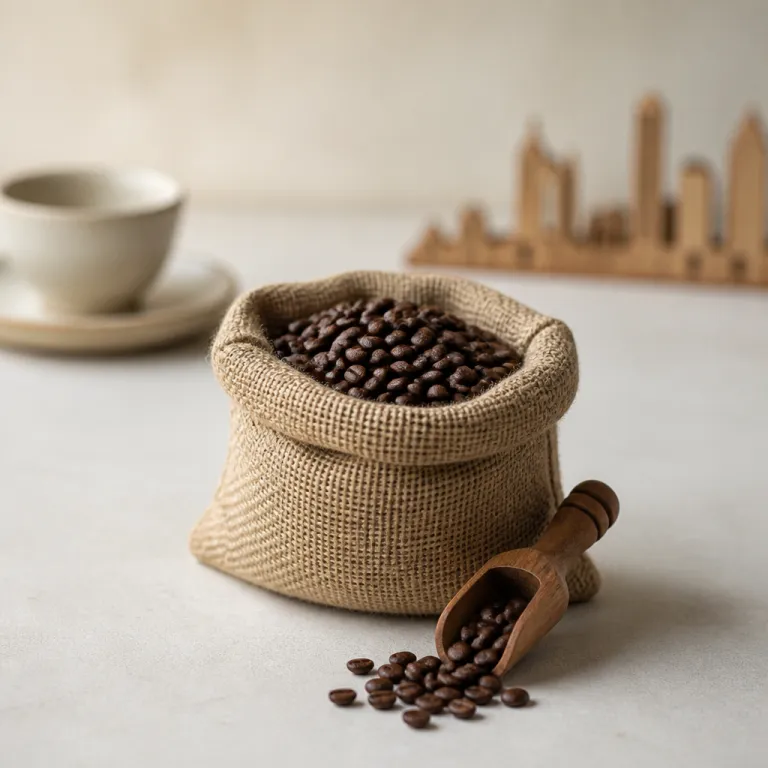
The new standard: specialty coffee roasters in Raleigh NC
Raleigh now drinks like a city twice its size. Local guides from Raleigh Food Lovers and Wake County business listings together point to roughly 130–140 coffee shops scattered from downtown to the northern suburbs, which means the specialty coffee roasters in Raleigh NC finally rival scenes in much larger markets. That growth means your morning cup can be quietly transcendent or just hot caffeine, depending on which roasters and cafés you trust.
Those same directories count around ten dedicated specialty coffee roasters in Raleigh NC, including Elect Coffee, Pine State Coffee, Sir Walter Coffee, Raleigh Coffee Company, Black & White Coffee Roasters, Little Waves Coffee Roasters (Triangle based with Raleigh placements), 321 Coffee, Full Bloom Coffee Roasters, Larry’s Coffee, and 1928 Mill House Coffee. When a roastery controls the roast profile in house, they can tune each coffee to highlight sweetness, acidity, and texture instead of chasing a generic dark roast that tastes the same in every shop. The result is a spread of flavor profiles that runs from citrusy Ethiopian single origins to chocolate heavy Latin American blend coffees that still taste clean and precise.
Elect Coffee, Pine State Coffee, Sir Walter Coffee, and Raleigh Coffee Company anchor this landscape. Each roaster sources beans from different origins, then builds a distinct flavor profile for both single origin coffees and blend offerings that land in coffee shops across North Carolina. If you care about delicious coffee rather than just any cup, you start by learning which roasters align with your palate and which spaces treat those beans with respect.
The city’s growing interest in specialty coffee has also reshaped how we think about a coffee shop. Many independent operators now act like restaurateurs, pairing serious coffee with full brunch menus, pastry programs, and evening events that stretch well beyond typical Mon–Fri morning times. That owner as restaurateur trend is exactly where Raleigh’s most memorable coffee experiences now live, especially when you want a great croissant with your pour over instead of a sad plastic wrapped muffin.
For locals, the practical question is simple. Where can you sit in a calm space, order a cup of delicious coffee from a Raleigh specialty roaster, and taste a clear difference between single origin and blend options. The rest of this map answers that, neighborhood by neighborhood, with a focus on places that care deeply about both the roast and the plate.
Downtown Raleigh: where the espresso bar meets bakery case
Downtown Raleigh is where the city’s specialty coffee story feels most concentrated. Within a few blocks, you can walk from a minimalist coffee bar pouring Nordic style light roast espresso to a cozy space serving white coffee drinks alongside laminated pastry that would not embarrass a serious bakery. Those short walks reveal how wildly quality can swing between coffee shops that just buy beans and those that partner closely with specialty coffee roasters in Raleigh NC.
Sir Walter Coffee operates as both a roaster and a café, threading that needle between creative drinks and serious beans. Co owner Zach Faulisi and his team talk confidently about flavor profile and extraction, yet the menu still welcomes someone who just wants a flavored latte and a good cookie. It is a useful bridge for downtown Raleigh office workers who might not know what a washed Ethiopian is but know exactly what a great cup should taste like.
Morning Times, perched above Hargett Street, remains the city’s classic example of a coffee shop that doubles as a third space. The creaky floors, rotating art, and long communal tables make it ideal for lingering over a cup of delicious coffee and a biscuit while you scroll through Instagram or answer emails. When they feature beans from local coffee roasters, you can taste how a lighter roast lets the coffee’s natural sweetness shine against the buttery crumb of their baked goods.
Just a few blocks away, Cup A Joe’s downtown outpost shows the other side of the spectrum. Here, the vibe leans more old school, with darker roast profiles and a crowd that has been loyal for years, ordering the same cup joe on autopilot. It is not chasing competition level espresso, but it is a reminder that in Raleigh, love for a coffee shop often comes from hours spent in the space rather than from a flavor wheel.
For those planning early pastry runs, the city’s coffee and bakery culture overlaps with the doughnut scene mapped by Raleigh Food Lovers. If you care where the line forms before 07:00 for glazed rings and a strong brew, their Raleigh donut map pairs naturally with this coffee map. Downtown is where you can grab a yeast doughnut, walk two blocks, and sit down with a carefully roasted single origin that actually deserves your attention.
Hillsborough Street, Raleigh North and Wake Forest: campus energy, serious beans
Head west from downtown and Hillsborough Street quickly shifts the mood. Student heavy sidewalks, campus traffic, and late night hours create a different set of pressures for any coffee shop trying to serve both volume and quality. The best operators along this corridor lean on specialty coffee roasters in Raleigh NC to keep the coffee delicious even when the line stretches toward the door.
Jubala Coffee on Hillsborough Street is the clearest example. Their partnership with top tier coffee roasters means you can order a single origin pour over with a clearly described flavor profile, then pair it with a biscuit that has the structure and crumb of a serious bakery. On a busy Mon–Fri morning, the baristas move fast, but they still take a second to explain whether today’s Ethiopian leans toward stone fruit or citrus, which is the kind of detail that separates a good shop coffee from a great one.
Further north, the original Jubala Coffee in Lafayette Village and the cafés in Wake Forest extend that same philosophy. These spaces feel more residential, with families lingering over waffles and retirees nursing a cup of delicious coffee while reading the paper. Here, the roast choices skew slightly more crowd pleasing, but you can still taste the difference between a blend designed for milk drinks and a single origin meant to be sipped black, without sugar.
Raleigh North suburbs also host smaller, quieter coffee shops that rely on beans from Elect Coffee, Pine State Coffee, or Raleigh Coffee Company. These roasters give neighborhood cafés access to a range of roast profiles, from lighter filter roasts to deeper espresso blends that still maintain clarity. When a barista can talk you through that spectrum, you start to understand why local specialty roasters matter more than any latte art on Instagram.
For special occasions, many of these cafés now act as informal tasting rooms for local bakeries. If you are planning a wedding or milestone brunch, it is worth reading this guide to wedding cake tasting boxes near Raleigh and then pairing those cakes with beans from your favorite roaster. Matching a citrus forward Kenyan coffee with a rich buttercream cake at home can teach you more about flavor pairing than any formal class.
Inside the roastery: how Raleigh’s beans get their flavor
Behind every memorable cup in Raleigh sits a roastery that made a series of precise decisions. Roasting coffee is not just about turning green beans brown; it is about shaping sweetness, acidity, and body into a coherent flavor profile that works in both espresso and filter formats. Specialty coffee roasters in Raleigh NC have leaned into this craft, experimenting with roast curves that highlight origin character instead of masking it.
Elect Coffee focuses on both single origin and blend coffees, giving cafés flexibility. A single origin might showcase a bright, tea like body with floral aromatics, while a blend aims for balance and consistency across seasons. When you taste those side by side in a coffee shop, you start to feel how roast level and origin interact, especially if the barista walks you through the flavor wheel and basic tasting notes.
Pine State Coffee and Raleigh Coffee Company both emphasize community and education. They host cupping events where guests slurp through multiple coffees, comparing how different roast profiles affect the same origin. During these sessions, tools like tasting notes, flavor wheels, and brewing guides help translate abstract terms like “medium roast” into concrete sensations on your tongue.
Sir Walter Coffee, with its dual identity as roaster and cocktail bar, pushes the idea that coffee can be as nuanced as a well made drink. Their bar team treats espresso shots like base spirits, adjusting ratios and milk textures to highlight specific flavor notes. It is a reminder that in North Carolina, coffee culture now overlaps with bar culture, and the best spaces borrow techniques from both worlds.
For anyone serious about understanding specialty coffee roasters in Raleigh NC, visiting a roastery during open hours is essential. Check each roaster’s posted hours, especially on Fri–Sat when public cuppings or informal events often happen. Ask to taste the same coffee brewed as espresso and filter; the contrast will teach you more about roast and extraction than any blog post ever could.
From filter to flat white: where to taste single origins properly
Not every café that stocks great beans knows how to showcase them. Some spaces are built for milk drinks and flavored lattes, while others quietly excel at pour over service that lets a single origin coffee speak clearly. In Raleigh, the gap between those two models can be the difference between a forgettable caffeine hit and a cup of delicious coffee that lingers in your memory all afternoon.
When you want filter coffee that respects the bean, look for cafés that offer manual brew methods and post detailed flavor profiles on their menus. A shop that lists origin, processing method, and tasting notes is signaling that they care about more than just volume. Ask which coffee roasters they work with and whether today’s filter option comes from a rotating single origin program or a house blend designed for consistency.
For espresso based drinks, the question shifts. Which spaces dial in shots carefully each morning, tasting and adjusting grind size until the flavor lands in a sweet spot between sour and bitter. In those cafés, a flat white or cappuccino made with a balanced blend can be just as revealing as a black pour over, especially if the milk is textured to a glossy microfoam that supports rather than smothers the coffee.
Raleigh’s trend toward owner operated cafés with full menus means you can now pair these drinks with serious food. Brunch focused spots near Dix Park, The Weld, and other emerging developments are starting to treat coffee as a core part of the experience, not an afterthought. That shift mirrors what has already happened in the city’s dim sum and noodle houses, where guides like this one to refined dim sum in Cary near Raleigh help diners seek out kitchens that care about sourcing and technique.
As you explore, remember the advice circulating among local educators and roasters. “What is single origin coffee? Coffee sourced from one location. How to taste coffee flavors? Use a flavor wheel and focus on aroma. Where to buy specialty coffee in Raleigh? Local roasters and cafes.” Those simple lines capture the heart of Raleigh’s specialty scene; the rest is just you, a quiet table, and a cup that finally tastes like more than background noise.
Culture, events and how Raleigh actually drinks its coffee
Specialty coffee in Raleigh is no longer a niche hobby. Rising demand for single origin coffees, more frequent coffee tasting events, and the growth of home brewing have turned the city into a place where talking about roast curves at a party does not feel strange. That cultural shift shows up in everything from Instagram feeds to the way cafés design their spaces.
On any given week, you can find ongoing specialty coffee tastings hosted by local roasters, cafés, or community groups. Some are structured cuppings with flavor wheels and guided notes, while others are casual events where regulars sample a new origin alongside a pastry flight. These gatherings support local businesses, educate drinkers, and slowly raise expectations for what a good cup should taste like.
Home brewers in Raleigh have also become more demanding customers. They buy beans directly from specialty coffee roasters in Raleigh NC, ask detailed questions about roast dates and grind size, and compare flavor profiles across different brewing methods. When those same people walk into a coffee shop, they notice whether the barista can talk about extraction or just punch buttons on an automatic machine.
Social media amplifies all of this. A single photo of a latte art tulip or a sunlit corner table can send a wave of new guests to a small café, especially if the caption mentions a specific roaster or origin. Yet the spots that build real loyalty tend to be the ones where staff remember your order, the music is tuned for conversation, and the coffee delicious enough that you order a second cup without thinking.
For visitors, the sheer number of options can feel overwhelming. The best strategy is simple: pick a neighborhood, choose a café that works with one of the city’s core roasters, and spend enough hours there to feel how the space breathes. In Raleigh, the true measure of a coffee shop is not the Yelp star, but the line out the door on a Tuesday.
Practical map: how to choose your next Raleigh coffee stop
Turning all this into action means building your own mental map. Start by listing the specialty coffee roasters in Raleigh NC whose beans you enjoy most, then note which coffee shops regularly feature them on bar. That simple exercise turns a confusing list of 130 plus cafés into a focused set of options tailored to your taste.
When you walk into a new shop, scan for a few key signals. Do they post the roaster’s name, origin, and flavor profile for each coffee, or is everything just labeled “house blend”. Are baristas willing to talk about which roast works best for espresso versus filter, or do they default to the same beans for every drink regardless of preparation.
Next, pay attention to hours and flow. A café that opens early on Mon–Fri might be ideal for commuters, while one that stays lively on Fri–Sat could be better for evening events or dessert dates. Off peak visits often give you more time to chat with staff, taste multiple coffees, and understand how the space functions as part of its neighborhood.
To make this easier, sketch a short list with practical details. For example, note that Sir Walter Coffee downtown typically opens early and roasts in house, Jubala on Hillsborough Street leans into single origin pour overs and biscuits near campus, and neighborhood spots in North Raleigh often brew beans from Elect Coffee, Pine State Coffee, or Raleigh Coffee Company. A few lines about hours, parking, and which roaster is on bar will quickly turn into your own working map.
Raleigh’s specialty scene is still evolving, with new roasters like 1928 Mill House Coffee entering the wider Triangle market and established names expanding into developments like The Weld near Dix Park. Staying curious, asking questions, and revisiting favorite spots as they grow will keep your personal map up to date. In a city where the average specialty cup typically lands around the mid four dollar range, choosing well is less about spending more and more about paying attention.
Key figures from Raleigh’s specialty coffee scene
- Local directories and city business listings together suggest around ten dedicated specialty coffee roasters in Raleigh, a significant number for a mid sized city and a sign that roasting has become a core part of the local food ecosystem (source: Raleigh Food Lovers counts and Wake County business listings, accessed 2024).
- Based on price boards at independent cafés, the typical price of a cup of specialty coffee in Raleigh sits in the mid four dollar range, which places the city in line with other specialty focused markets while still under major coastal hubs (source: sample of downtown and North Raleigh cafés, observed ranges in 2024).
- Raleigh Food Lovers estimates roughly 138 coffee shops across the city, meaning residents have access to a wide range of quality levels from commodity focused cafés to serious specialty bars (source: Raleigh Food Lovers internal counts, 2024 snapshot).
- Industry data from Tastewise points to a sharp rise in roast profile experimentation and single origin pastry pairings, with internal dashboards showing growth on the order of dozens of percentage points over recent years; this reflects how cafés now treat coffee and food as a unified experience rather than separate offerings (source: Tastewise trend reports on coffee and bakery pairings, 2023–2024).
- Specialty coffee tastings and related events now run year round in Raleigh, with morning, afternoon, and evening sessions that help educate drinkers and support local roasters (source: recurring listings on roaster calendars and local event platforms, reviewed 2024).
FAQ about specialty coffee roasters in Raleigh
What is single origin coffee and why does it matter in Raleigh ?
Single origin coffee comes from one specific farm, region, or cooperative rather than a blend of multiple sources. In Raleigh, roasters use single origins to highlight distinct flavor profiles, such as citrusy Ethiopian lots or chocolate forward Central American coffees. Tasting these side by side in local cafés helps you understand how origin and roast shape what ends up in your cup.
How can I learn to taste coffee flavors more clearly ?
Start by tasting coffee black, without milk or sugar, and focus on aroma before your first sip. Many Raleigh roasters host cuppings where you can use a flavor wheel, compare multiple coffees, and learn vocabulary for what you are experiencing. Over time, you will notice differences in acidity, sweetness, and body that once felt invisible.
Where should I buy specialty coffee beans in Raleigh ?
The most direct route is to buy from local roasters such as Elect Coffee, Pine State Coffee, Sir Walter Coffee, or Raleigh Coffee Company at their cafés or online shops. Many independent coffee shops also sell retail bags from these and other roasters, often with staff recommendations based on your brewing method. Choosing local keeps money in the community and usually means fresher roast dates.
Which Raleigh cafés are best for pour over versus espresso drinks ?
Cafés that list detailed origin information and offer manual brew methods tend to excel at pour over, while shops with multiple grinders and a focus on milk texture often shine with espresso based drinks. In practice, that means asking baristas where they think their coffee shows best and ordering accordingly. Some spaces are built for filter clarity, others for flat whites and cappuccinos that balance coffee and milk.
How do I make the most of a coffee tasting event in Raleigh ?
Arrive on time, avoid strong perfumes, and come with an open mind. Take notes on each coffee’s aroma, acidity, sweetness, and aftertaste, then compare impressions with other guests and the host. These events are designed to educate, so asking questions about roast decisions, sourcing, and brewing is not only welcome but encouraged.