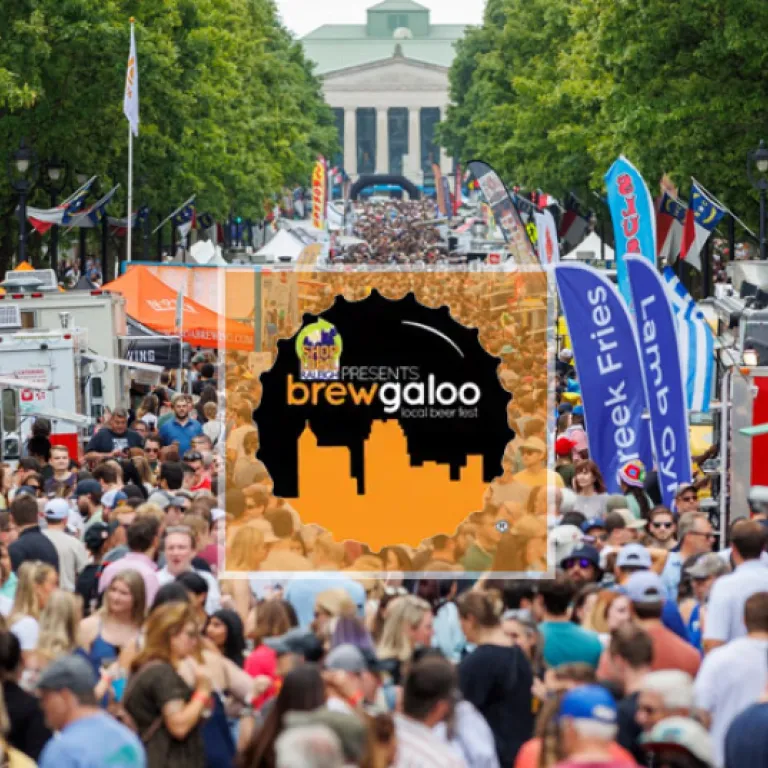
Brewgaloo and the rise of the Raleigh beer festival culture
The Raleigh beer festival scene has become a mirror of the city’s evolving taste. As Brewgaloo fills downtown Raleigh with glasses, laughter, and aromas, it also showcases how beer and food now define urban identity. For people who like good food around Raleigh, this festival is as much about flavor as it is about community.
Brewgaloo is officially described as follows : “Brewgaloo is North Carolina's largest craft beer festival, featuring over 110 local breweries, food trucks, vendors, and live music.” That single sentence captures why the festival matters to every serious food lover in Raleigh and beyond. It is a concentrated snapshot of the North Carolina craft beer ecosystem, from tiny brewing company operations to established breweries with loyal followings.
Held along Fayetteville Street in downtown Raleigh, the festival turns the city center into a walkable tasting room. The beer selection ranges from crisp lagers to barrel aged stouts, with sour beer and experimental craft beer styles drawing long queues. For many visitors, the most memorable things are the conversations with brewers, who pour their own beer and explain the brewing choices behind each glass.
The event is organized by Shop Local Raleigh, a nonprofit that treats Brewgaloo as both a festival and an economic engine. Their mission is to support local craft businesses, and the festival’s success has become a benchmark for the health of the wider North Carolina brewing scene. In a period when the craft beer industry faces shifting preferences and a reported 4 percent production decline, that support is not just welcome, it is essential.
How Brewgaloo shapes downtown Raleigh food, beer, and bakery culture
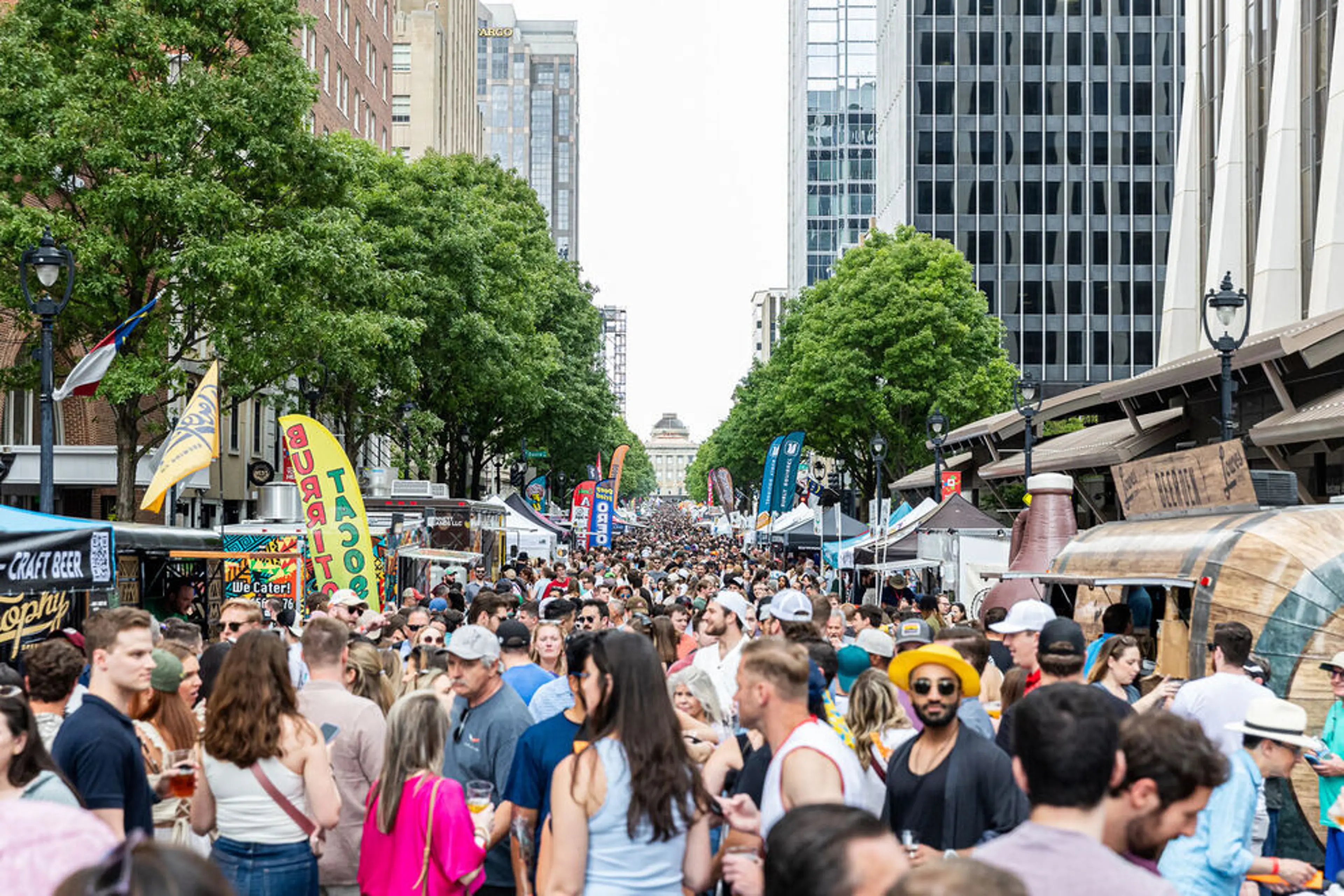
During Brewgaloo, downtown Raleigh becomes a living map of North Carolina flavors. The festival stretches along Fayetteville Street, spilling into side blocks and linking naturally with nearby neighborhoods like Glenwood South. For food focused visitors, this layout turns a simple beer festival into a curated walk through the city’s culinary heart.
Local food trucks line the streets, pairing regional dishes with both classic beer and modern craft beer styles. You might move from a smoky pulled pork sandwich to a delicate bakery style dessert, then back to a hop forward IPA from a small brewing company. This rhythm of savory and sweet echoes the refined pastry culture described in this elegant guide to Raleigh pastry shops, and many bakers now time special releases to the festival weekend.
For restaurants and bakeries in or near Raleigh, Brewgaloo functions as a tasting laboratory. Chefs track which beer styles guests request most, then design future menus and pairing dinners around those preferences. When a particular North Carolina stout or sour sells out early, it often reappears later in chocolate desserts, glazes, or bread recipes across the city.
The festival’s emphasis on local craft producers also reinforces the broader Shop Local Raleigh message. By bringing together breweries from Raleigh, Durham, Cary, Wake Forest, and other corners of North Carolina, Brewgaloo encourages diners to seek out those same names on restaurant tap lists. Over time, that visibility helps small breweries and bakeries weather market saturation, while giving food lovers more reasons to stay curious about what their own city can offer.
Planning your Brewgaloo day : tickets, timing, and food first strategy
For anyone serious about food and beer, planning a Brewgaloo day starts well before the first pour. Admission to the Raleigh beer festival is free to attend, but tickets are required for beer sampling and often sell quickly. Treat those tickets like reservations at a coveted restaurant, because they shape how you move through the festival and which breweries you can reasonably visit.
The event runs across two days, with an evening session followed by a longer Saturday Raleigh program. Many locals prefer the Saturday schedule for its relaxed pace, which leaves more time to explore food trucks, bakery stalls, and nearby restaurants. Others favor the first day for a slightly calmer crowd and easier access to limited craft beer releases from sought after brewing company participants.
Whatever your choice, start with a food first strategy that respects both flavor and safety. Eat something substantial from one of the local food trucks before your first beer, then alternate water with every few tastings to keep your palate sharp. If you plan to explore dessert focused spots later, consider this curated list of elegant dessert places in Raleigh and book a late evening table.
Transportation planning is equally important, especially when downtown Raleigh streets are busy with festival crowds. Use public transit, ride sharing, or a designated driver, and remember that parking near Fayetteville Street can fill early on Saturday. With those logistics handled, you are free to focus on the real purpose of the festival : tasting, comparing, and understanding how North Carolina breweries are redefining what beer can be.
From Raleigh to Cary and Wake Forest : regional beer events and food synergies
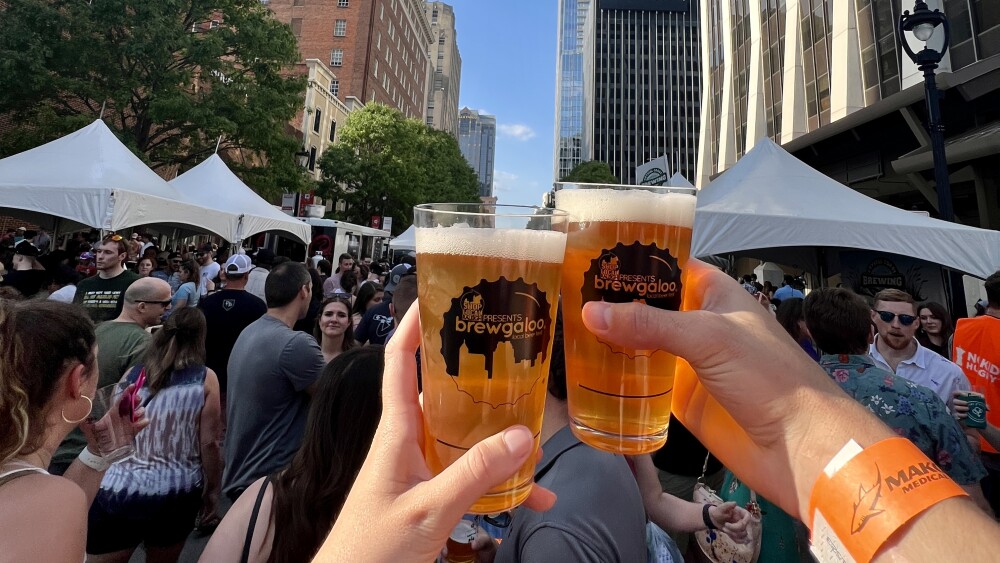
While Brewgaloo anchors the Raleigh beer festival calendar, the surrounding region extends the experience across multiple cities. Food lovers who plan carefully can turn the festival weekend into a broader tour of North Carolina beer, bakery, and restaurant culture. The key is to think of Raleigh, Cary, Durham, and Wake Forest as connected tasting rooms rather than separate destinations.
In Cary, the Koka Booth Amphitheatre and the surrounding Cary Koka area often host events that blend live music, beer, and food. These gatherings may not match Brewgaloo’s scale, but they offer a more intimate way to talk with brewing company owners and sample local craft beer alongside carefully chosen dishes. Many visitors pair a Brewgaloo day with a quieter evening in Cary, where restaurants lean into beer pairing menus and seasonal bakery desserts.
Durham and Wake Forest add their own flavors to this regional circuit, with breweries that pour at Brewgaloo welcoming guests back to their taprooms. A weekend might begin with a Friday night in Durham, continue with a Saturday Raleigh festival session, then finish with a Sunday brunch in Wake Forest featuring beer infused pastries. For structured inspiration, this guide to why the Brier Creek food truck festival belongs on every Raleigh foodie’s calendar shows how mobile kitchens and beer events reinforce each other.
Across these cities, the most successful events Raleigh hosts share a few traits : strong local craft participation, thoughtful food trucks, and live music that enhances rather than overwhelms conversation. Together, they create a network of things Raleigh residents can enjoy year round, with Brewgaloo serving as the annual high point that ties the regional beer and food story together.
Inside the largest craft beer festival : styles, trends, and non alcoholic shifts
Brewgaloo’s status as the largest craft beer festival in North Carolina makes it a valuable barometer for industry trends. When over 110 breweries gather in one city, patterns in what people drink and what brewers pour become impossible to ignore. For restaurant and bakery professionals, those patterns translate directly into menu decisions and pairing strategies.
Classic beer styles still anchor most taps, but the craft beer segment continues to push boundaries with sours, barrel aged releases, and dessert inspired stouts. Many brewing company teams now collaborate with local bakeries, using cocoa nibs, coffee, vanilla, and even pastry trimmings to create beers that echo patisserie flavors. These beers, in turn, inspire chefs to design dishes that bridge the gap between savory plates and bakery style desserts.
At the same time, increased interest in non alcoholic beer options is reshaping how some visitors approach the festival. Several North Carolina breweries now bring both alcoholic and non alcoholic versions of their flagship beers, allowing guests to pace themselves without leaving the tasting conversation. For food lovers, this shift opens new possibilities for lunch or daytime pairings, where a non alcoholic beer can complement rich dishes without overwhelming the palate.
Behind the scenes, organizers and brewers are candid about the challenges facing the craft beer industry, from market saturation to changing consumer habits. Yet the energy on Fayetteville Street during the festival suggests that thoughtful, flavor driven beer still has a strong future in Raleigh. For every trend that fades, another emerges, often shaped by the same local craft creativity that defines the city’s bakeries and restaurants.
Music, atmosphere, and why Brewgaloo matters to Raleigh’s identity
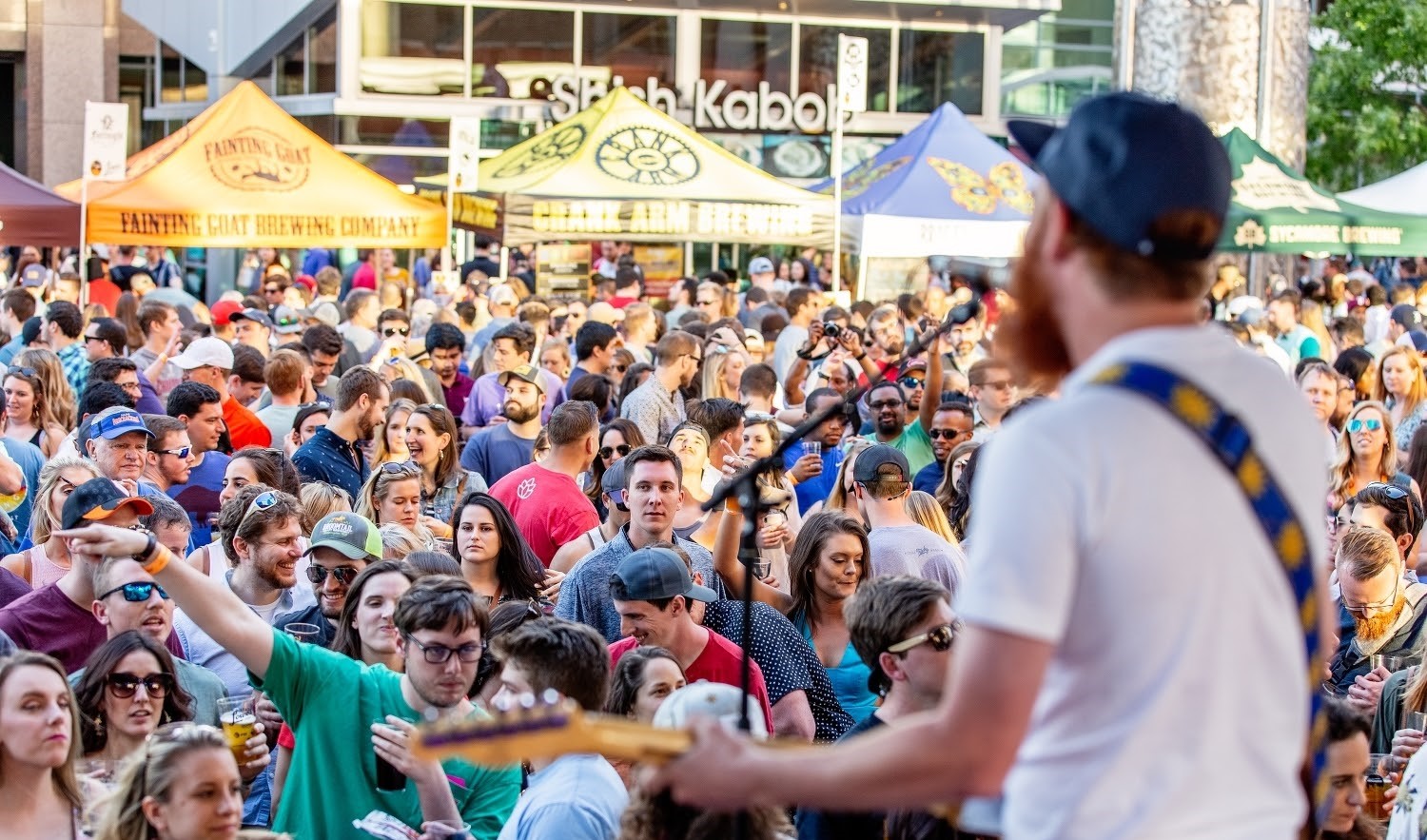
Beyond the glasses and plates, Brewgaloo’s atmosphere is what keeps people returning to downtown Raleigh each year. Local bands provide live music that drifts between stages, creating a soundtrack that feels more like a neighborhood block party than a commercial event. Families, students, and long time residents share the same streets, proving that a beer festival can still feel inclusive and community focused.
The setting along Fayetteville Street, framed by the Raleigh State government buildings and the city’s skyline, reinforces that sense of place. From certain angles you can see toward Glenwood South, while other views point toward historic neighborhoods that now host acclaimed restaurants and bakeries. In this context, Brewgaloo becomes one of the defining events Raleigh uses to present itself to visitors from across North Carolina and beyond.
For food professionals, the festival is also a networking hub that shapes future collaborations. A brewer from Durham might meet a pastry chef from downtown Raleigh and plan a beer infused éclair, while a Wake Forest bakery could arrange a taproom pop up with a favorite brewing company. These relationships often lead to new events Raleigh residents later enjoy, from intimate pairing dinners to seasonal beer and dessert nights.
As the day turns into evening and the Saturday Raleigh crowd settles into a relaxed rhythm, the festival’s deeper role becomes clear. Brewgaloo is not only about beer, tickets, or even the largest craft gathering label ; it is about how a city chooses to celebrate its own creativity. In that sense, the Raleigh beer festival culture is less a trend and more an ongoing conversation between brewers, bakers, chefs, and the people who love what they make.
Key numbers behind Brewgaloo and the Raleigh beer festival scene
Number of participating breweries at Brewgaloo : 110 breweries.
Estimated annual attendance for the festival : 60 000 attendees.
Reported decline in craft beer production in North Carolina : 4 percent.
Frequently asked questions about Brewgaloo and Raleigh beer festivals
What is Brewgaloo ?
Brewgaloo is North Carolina's largest craft beer festival, featuring over 110 local breweries, food trucks, vendors, and live music. It takes place in downtown Raleigh and highlights the strength of the state’s brewing community. For food lovers, it is a rare chance to taste many regional beers alongside excellent street food and bakery style treats.
When and where is Brewgaloo 2026 ?
Brewgaloo 2026 is scheduled for April 24-25, 2026, in downtown Raleigh, North Carolina, along Fayetteville Street. The festival usually spans an evening session followed by a full Saturday Raleigh program. Visitors are encouraged to plan accommodation and transport early because attendance is high.
How much does it cost to attend Brewgaloo ?
Admission to Brewgaloo is free ; however, tickets are required for beer sampling. Different ticket packages are available, allowing guests to choose how many tastings they want. This structure keeps the festival accessible while still supporting participating breweries and organizers.
What types of beers are available at Brewgaloo ?
Brewgaloo showcases a wide variety of beers, including limited releases, barrel-aged, sour beers, and more from over 110 North Carolina craft breweries. Visitors can sample everything from light lagers to robust stouts and experimental styles. Many breweries also bring special festival only beers that highlight local ingredients or bakery inspired flavors.
Are there non alcoholic options at Brewgaloo ?
Yes, with the growing interest in non-alcoholic beers, some breweries may offer non-alcoholic options. Additionally, various food and non-alcoholic beverages are available from local vendors. This makes the festival welcoming for guests who prefer to focus on food, music, and atmosphere while still feeling part of the beer conversation.