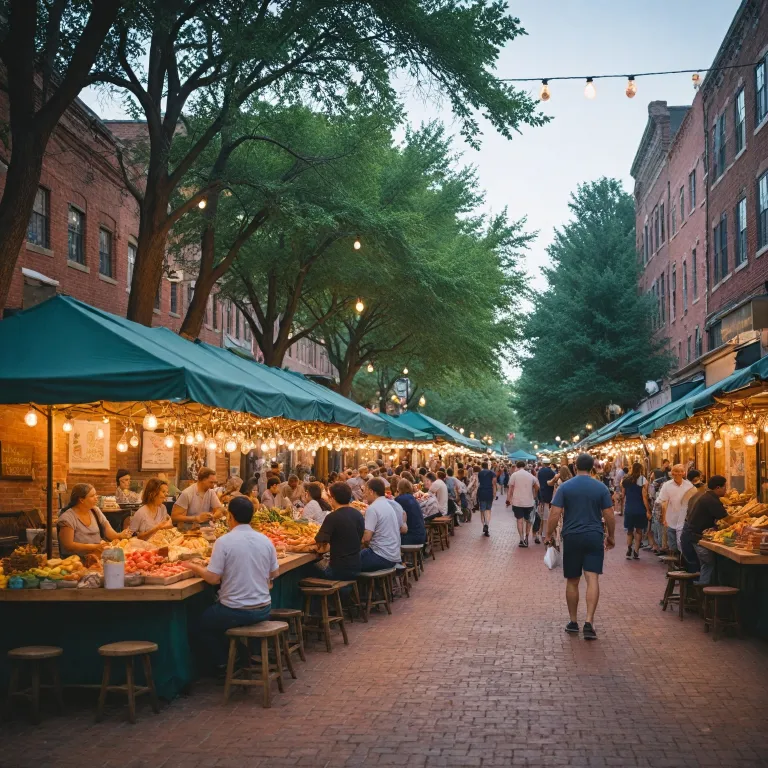
Raleigh food markets as the city’s open air pantry
Raleigh food markets form an open air pantry where the city breathes. In a region where North Carolina’s grocery giants compete fiercely, these markets give farmers and small restaurants a direct line to people who like good food around Raleigh. Walking through a market in Raleigh, you feel how the state blends urban energy with Carolina farmland abundance.
The flagship example is The Raleigh Market, a sprawling flea market open every Saturday and Sunday with more than 500 vendors. Here, state farmers, vintage collectors, and food trucks share the same space, turning the grounds into a true gathering place for the wider Raleigh city community. The market stays lively all weekend, and regulars know to arrive early to skip main crowds and secure the best baked goods and seasonal produce.
Beyond this single market, Raleigh food markets and halls now stretch from downtown Raleigh to the warehouse district and out toward the state farmers market campus. Each market open space offers different things to taste, from global street food to classic North Carolina barbecue and delicate pastries. Together, these markets and food hall concepts help the city support local vendors while giving residents more reasons to stay close to home rather than drive long distances for specialty food.
For visitors, these markets become essential places to understand Raleigh beyond its office towers. You can stroll a busy street lined with vendors, then step into a food hall where shops restaurants and bars share communal seating. This rhythm between open air markets and indoor halls defines how Raleigh uses food to shape its public life.
From state farmers market to downtown food hall culture
The state farmers market in Raleigh remains the anchor of the city’s fresh food ecosystem. Spread across several halls and open air sheds, this North Carolina institution brings together farmers, flower growers, seafood vendors, and stalls selling baked goods every day. Many Raleigh restaurants quietly rely on these state farmers for produce that keeps menus seasonal and vibrant.
Alongside the state farmers market, a new generation of food hall projects has reshaped downtown Raleigh and the warehouse district. A modern food hall gathers multiple vendors under one roof, offering everything from Carolina style fried chicken to Euro inspired charcuterie and wine bars. These food hall spaces function as indoor markets where you can shop local, linger with friends, and sample food from several places in a single visit.
Raleigh Park Ventures adds another layer by managing a food market inside Dorothea Dix Park’s Gipson Play Plaza, where the city turns an urban park into a relaxed gathering place. Families can stay for playground time, then wander over to market vendors for snacks, coffee, or light meals. This integration of markets, parks, and food trucks shows how Raleigh food markets now shape public spaces as much as they shape menus.
For anyone mapping out things to eat in downtown Raleigh, pairing a morning at the state farmers market with an afternoon in a central food hall creates a full picture of the city’s tastes. Those who want to go deeper into pastries and breads can explore this detailed guide to Raleigh’s best bakeries where bread, cakes, and pastries shine. In this way, markets, bakeries, and restaurants form a continuous circuit of flavor across north Raleigh and beyond.
Moore Square, Fayetteville Street and the pulse of downtown Raleigh
In the heart of downtown Raleigh, Moore Square has quietly become one of the city’s most important market places. On selected weekends, the park fills with local vendors, food trucks, and makers who turn the square into a relaxed urban festival. These events give small food businesses a chance to test new ideas before moving into permanent shops restaurants nearby.
Just a short walk away, Fayetteville Street acts as a spine connecting civic buildings, offices, and nightlife with pop up markets and food events. When the street closes to cars for special events, it transforms into a pedestrian corridor where farmers, artisans, and prepared food vendors line the pavement. This flexible use of downtown Raleigh streets helps the city support markets without needing permanent hall structures on every block.
The MAKRS Society plays a key role by hosting monthly foodie and art markets that highlight local talent. Their events often feature food trucks alongside craft vendors, creating a hybrid between flea markets and curated food festivals. For many Raleigh residents, these recurring markets become familiar things to mark on the calendar, especially when they fall on a Saturday Sunday schedule.
Families planning a weekend stay in the city can easily build an itinerary around Moore Square markets, Fayetteville Street events, and nearby warehouse district food halls. Those celebrating special occasions often pair a market visit with a stop at a specialist bakery for memorable cakes, using resources such as this guide to where to find the most memorable Raleigh bakery birthday cakes. In this compact downtown area, Raleigh food markets, restaurants, and bakeries intertwine to create a walkable, food focused city center.
The Raleigh Market and the rise of modern flea markets
The Raleigh Market stands apart as one of the region’s largest flea markets, yet its role in the city’s food culture is often underestimated. With more than 500 vendors on site, the market offers everything from antiques to fresh produce and baked goods. For many small food businesses, a stall here becomes the first step before moving into permanent restaurants or shops.
Unlike a traditional farmers market focused solely on produce, this market blends flea markets energy with food stalls and snack stands. Visitors can browse vintage furniture, then pause for Carolina style barbecue, kettle corn, or regional specialties prepared by local vendors. This mix of goods turns the market into a social outing rather than a simple grocery run, encouraging people to stay longer and explore more corners of the grounds.
The Raleigh Market operates every Saturday and Sunday from 9am to 5pm. This consistent Saturday Sunday schedule makes it easy for residents across north Raleigh and the wider state to plan regular visits. Many families treat it as a weekly ritual, arriving early to skip main traffic, secure parking, and walk the aisles before the midday rush.
For the city’s food scene, the market open format allows entrepreneurs to test recipes, branding, and pricing with real customers. Some vendors later transition into downtown Raleigh food hall stalls or brick and mortar restaurants in the warehouse district. In this way, flea markets like this one quietly nurture the next generation of Raleigh food markets and culinary talent.
Euro inspired markets, food halls and neighborhood places to eat
Raleigh’s growing interest in Euro inspired markets has brought a new level of refinement to the city’s food landscape. Concepts such as Giorgios Epicurean Market blend specialty grocery, wine shop, and café under one roof, echoing the feel of European food hall culture. These markets give residents access to imported products while still highlighting North Carolina producers and artisans.
In downtown Raleigh, The Common Market is preparing to open at Seaboard Station as a deli and bottle shop with a strong neighborhood focus. While not a traditional farmers market, it functions as a compact market where people can shop local for everyday food, craft beverages, and quick meals. This type of hybrid space complements larger markets by serving as a daily gathering place rather than a once a week destination.
Across the warehouse district and nearby neighborhoods, smaller markets and food hall projects continue to appear in renovated industrial buildings. These halls typically host multiple vendors, from ramen counters to bakeries offering baked goods that rival standalone pastry shops. For diners, this creates a flexible way to sample several restaurants in one visit, especially when groups cannot agree on a single cuisine.
Food focused travelers planning a stay in Raleigh can weave these Euro inspired markets into itineraries that also include the state farmers market and downtown street events. Those particularly interested in bread and pastry can consult this refined guide to top rated bakeries Raleigh offers for lovers of cakes, bread, and pastries. Together, these markets, halls, and bakeries show how the city balances global influences with a strong commitment to local food.
How markets support local vendors, restaurants and community life
Behind the lively scenes at Raleigh food markets lies a clear strategy to support local vendors and strengthen the city’s culinary identity. Organizers work closely with the City of Raleigh and community partners to provide accessible spaces where farmers, artisans, and small restaurants can reach new audiences. Hosting regular market events throughout the year ensures that these businesses are not limited to a single season.
Groups such as The MAKRS Society, Raleigh Park Ventures, and established operators like The Raleigh Market all contribute to this ecosystem. They use online platforms for vendor applications, coordinate logistics for food trucks, and curate events that balance food, art, and entertainment. This careful planning turns each market open day into more than a transaction, creating things that feel like neighborhood festivals even in the middle of a busy city.
For consumers, the benefit is straightforward yet powerful, because they can shop local, meet the people behind their food, and understand the history of North Carolina agriculture. Spending money at these markets keeps more value within the state, supporting farmers, bakers, and independent restaurants rather than distant corporations. Over time, this circulation of resources helps maintain a diverse range of places to eat across downtown Raleigh, north Raleigh, and surrounding communities.
Check market websites for specific vendor hours. Arrive early to avoid crowds. Explore nearby attractions in Raleigh. These simple guidelines, combined with a willingness to wander from one hall or street market to another, allow visitors to experience the full richness of Raleigh city markets and the many vendors who bring them to life.
Key numbers behind Raleigh food markets
- Number of vendors at The Raleigh Market : 500 vendors.
- Market share of Walmart in Raleigh’s grocery market : 21.3 percent.
- Number of Publix stores in the Triangle region : 11 stores.
Questions people also ask about Raleigh food markets
What are the operating hours of The Raleigh Market ?
The Raleigh Market operates every Saturday and Sunday from 9am to 5pm. These hours apply year round, although individual vendors may occasionally adjust their presence. Checking the market website before you stay for the day helps confirm which stalls and food trucks will be open.
Where is Giorgios Epicurean Market located ?
Giorgios Epicurean Market is located at 2020 Progress Court, Suite 150, Raleigh. This address places it within easy driving distance of both downtown Raleigh and several residential neighborhoods. Many visitors pair a stop here with other nearby markets to experience both Euro inspired and traditional Carolina food offerings.
When will The Common Market open in downtown Raleigh ?
The Common Market is set to open in early 2026 at Seaboard Station. This downtown Raleigh location will function as a neighborhood market, deli, and bottle shop. Once open, it will add another flexible gathering place to the city’s growing network of food halls and markets.
How often do Raleigh food markets and events take place ?
Raleigh food markets operate on varied schedules, from daily state farmers market hours to weekly and monthly events. The Raleigh Market runs every Saturday Sunday, while many MAKRS Society events follow a monthly rhythm. Seasonal festivals and special downtown Raleigh street markets add extra dates, especially during milder weather.
Why are Raleigh food markets important for local restaurants and vendors ?
Raleigh food markets give farmers, bakers, and small restaurants direct access to customers without the high costs of permanent storefronts. These markets allow vendors to test menus, build loyal followings, and refine their food before expanding into full scale restaurants. Over time, this pathway strengthens the entire city food scene, from warehouse district halls to neighborhood cafés.
Sources : North Carolina Department of Agriculture, City of Raleigh economic development reports, Greater Raleigh Convention and Visitors Bureau.