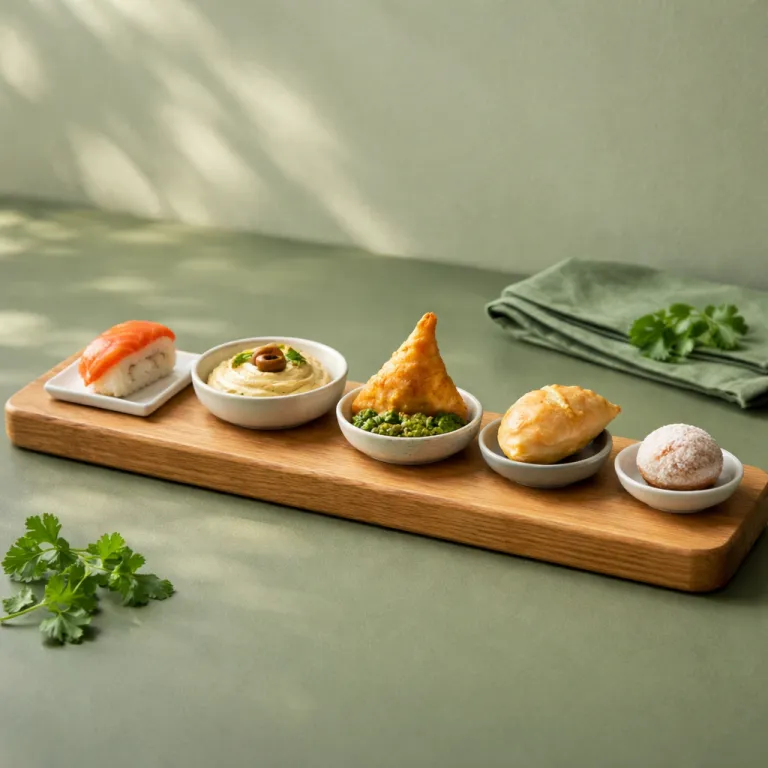
Raleigh international food festival 2026 as downtown summer anchor
The Raleigh International Food Festival returns to City Plaza with intent in 2026. The Raleigh international food festival 2026 edition is currently scheduled for July 18, 2026, running from 11:00 to 21:00, turning City Plaza and the surrounding block of Fayetteville Street into a dense corridor of grills, steamers and pastry cases. For a city that once treated international food as a niche, this festival Raleigh moment now feels like the unofficial opening bell of the American summer and a signature summer festival in the downtown core.
The organizer NC Vibes / The International Festival has previously reported crowds in the tens of thousands, and the 2026 edition is again expected to draw around 40,000 people into the city center, attracted by more than 120 vendors and food trucks representing at least 50 countries. According to the official event page, that scale makes this annual international gathering less a simple food festival and more a temporary global cultural district, with aromas of jerk chicken, khachapuri and pandan waffles colliding between office towers. For newcomers who moved for a tech job and now want a shortcut to Raleigh American flavor, the Raleigh annual event is the single most efficient way to map the city’s global flavors in one walkable loop.
Admission is free and remains pointedly so, a rare festival free stance when many summer festival events now hide behind tiered wristbands. As festival director Ana Morales notes on the organizer’s site, “We want anyone who loves food and culture to be able to walk in off Fayetteville Street without worrying about a ticket price.” That free admission policy matters for families testing new flavors with kids, students watching budgets, and anyone who wants to treat this international festival as a casual drop in rather than a high commitment ticketed event.
City Plaza at 420 Fayetteville Street is the geographic heart of the event, but the cultural reach stretches far beyond that single plaza. On this block, Raleigh international food vendors line both sides of the street, while two stages host continuous performances that move from West African drumming to K-pop choreography in a single hour. The World Parade of Flags threads through City Plaza and Plaza Fayetteville like a moving atlas, turning the city into a live map of migration stories, restaurant lineages and festival travel memories.
Programming leans hard into spectacle without losing the food focus. The Chef of the World Cook Off pulls in local chefs who usually work quietly in strip mall kitchens, giving them a rare marquee moment in front of thousands of curious eaters. Later in the evening, the International Dance Competition from 20:00 to 21:00 turns the main stage into a kinetic survey of global cultural traditions, from classical Indian dance to Latin social styles, and the crowd energy rivals any Bastille Day street party or July block celebration.
For Raleigh residents used to smaller neighborhood events, the scale of this international food gathering can feel closer to festival travel in a major European city than a typical Triangle street fair. You get the sensory overload of a global street market without the long haul travel, jet lag or hotel bill, and many locals now plan their July and August vacation calendars around this weekend, treating the Raleigh International Food Festival 2026 as the unofficial kickoff to their wider festival travel season.
How to eat your way through 50 countries in one afternoon
The smartest way to approach this food festival is to think like a strategist, not a grazer. Start at the southern end of Fayetteville Street near Plaza Fayetteville, scan the full line of vendors, then commit to a first pass focused only on small plates and shared bites. That approach lets you sample more global flavors before your appetite taps out, and it keeps you nimble enough to pivot when you spot a surprise like Uzbek samsa or Ghanaian waakye.
With more than 120 vendors on site, you will not beat the lines everywhere, but you can outsmart them. Hit the most popular international food stalls early in the day, when the grills are hot but the crowds are still parking and figuring out admission points. Save the shorter queues for food desserts, coffee and beer wine pairings for later, when the afternoon heat makes a shaded drink stop feel like a reward rather than an afterthought.
Think in themed flights rather than full meals. One lap might be a noodle flight across Southeast Asia, another a tour of stuffed breads from Eastern Europe, and a third a focused hunt for food desserts that show how different cultures treat sugar, spice and dairy. If you are coming with a group, assign each person a region and a budget, then meet back at a landmark like the main stage or the City Plaza fountain to share plates and compare notes.
Hydration and pacing matter more than you think during an American summer street event. Temperatures in Raleigh can climb quickly, and the heat bouncing off the city pavement turns the festival into a slow moving sauna by mid afternoon. Alternate savory plates with water breaks and lighter bites like fruit based food desserts or shaved ice, and treat beer wine tastings as accents rather than your primary hydration strategy.
For meat eaters, the Hot Wings Spice Challenge is both spectacle and benchmark. Even if you do not compete, tasting the milder versions from the same vendors gives you a sense of how Raleigh American palates are stretching toward higher heat and bolder flavors. The smoke from grills and fryers hangs over Fayetteville Street like a signal flare, and you can follow your nose from jerk stands to kebab skewers without ever checking a map.
Families and cautious eaters should anchor their route around clearly labeled menus and visible prep. Many vendors now highlight vegetarian, vegan and gluten free options, a shift that mirrors the rise of dedicated vegan bakeries and inclusive dessert shops across the city. If you want a deeper read on that side of the scene, the guide to vegan bakeries in Raleigh pairs neatly with the festival’s plant forward offerings.
For barbecue loyalists and smoke chasers, this international festival sits in conversation with other Triangle events rather than competing with them. The whole hog and brisket crowd will recognize familiar faces from regional cookouts, including pitmasters who also appear at gatherings like Pickin’ in the Park. Think of the Raleigh International Food Festival 2026 as the global counterpart to those hyper local smoke fests, where jerk, tandoori and shawarma share the stage with pulled pork and ribs.
Logistics can make or break your afternoon, so treat them as part of the plan. Arrive early to find parking in nearby decks or along transit corridors, check bus schedules if you prefer not to drive, and note that most downtown sidewalks and City Plaza itself are wheelchair accessible with curb cuts and ramps. Expect typical plate prices in the $5–$15 range, wear comfortable clothing that can handle sauce splatter and heat, bring some cash for vendors who move faster with bills than with card readers, and expect a mix of payment options ranging from tap to chip to old fashioned cash boxes. That small preparation work turns a potentially chaotic city event into a relaxed, free flowing stroll through one of Raleigh’s most concentrated cultural events.
From one day on Fayetteville Street to a year round global table
What happens on Fayetteville Street during this festival free weekend does not stay on that block. The Raleigh International Food Festival 2026 acts as a live directory of restaurants, bakeries and food trucks that operate quietly the rest of the year in strip malls from Glenwood to Capital Boulevard. When you taste a perfect momo or a layered mille feuille style pastry here, you are really sampling a year round invitation to visit the source kitchen later.
Some of the most interesting vendors use this international festival as a test kitchen. A baker might bring experimental food desserts like pandan brioche or cardamom babka, gauging which global flavors resonate with a Raleigh American crowd before committing to them in a permanent pastry case. That feedback loop is how you end up with neighborhood bakeries that feel both deeply local and confidently international, serving sourdough next to maamoul without blinking.
The festival also mirrors a broader shift in how Raleigh thinks about public space and food. City Plaza and the surrounding streets now host a steady rotation of markets and events that treat food as cultural infrastructure, not just entertainment. For a deeper look at that pattern, the feature on Raleigh food markets as vibrant gathering places shows how weekly markets, night events and pop ups knit together a more global city.
Restaurants like Botiwalla in the Smoky Hollow district, Cora in North Raleigh and Dosirak in downtown are part of the same ecosystem that feeds this international food festival. You might first encounter their skewers, pastries or banchan at a crowded Fayetteville Street stall, then seek out the brick and mortar spaces for a quieter, more focused meal. That is the real power of an annual international gathering: it compresses the learning curve for newcomers, turning one long afternoon into a roadmap for the next twelve months of eating.
For bakers and small scale food artisans, the Raleigh annual festival is also a rare chance to stand shoulder to shoulder with more established restaurant groups. A home based baker selling Basque cheesecake slices or Filipino ensaymada can share the same foot traffic as a national chain testing a new global flavors menu. The playing field is not perfectly level, but the proximity matters, and you can feel that energy in the way vendors talk to each other between rushes.
There is a subtle political dimension too, even if the event never markets itself that way. When 40,000 people pack into a downtown corridor to eat, dance and watch performances from more than 60 cultures, they are voting with their time and appetite for a more global Raleigh. In a region where debates about immigration and identity can turn abstract quickly, a plate of international food and a shared dance circle say more than any policy paper.
By the time the International Dance Competition wraps and the last grills cool, Fayetteville Street looks like any other downtown corridor again. Yet the mental map you carry home — the names of vendors, the neighborhoods they come from, the way City Plaza felt like a crossroads rather than a cul de sac — lingers. In the end, the real metric of success for the Raleigh International Food Festival 2026 is not the Yelp star, but the line out the door on a Tuesday.