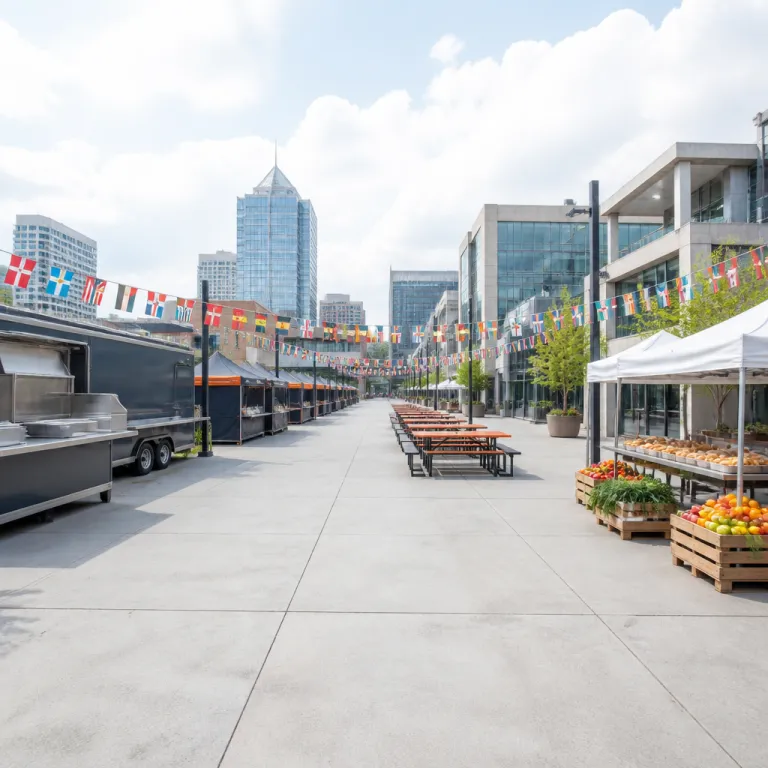
Why Raleigh’s international food festival matters for serious eaters
Raleigh’s international food festival has become a benchmark event for anyone who plans weekends around food. This celebration in the heart of downtown gathers international food vendors, local bakeries, and restaurant teams into one long, high-energy day that feels like travel without leaving Fayetteville Street. For food lovers who usually chase food trucks across the Triangle, having so many authentic flavors in one compact city plaza is a rare luxury.
The event is organized by NC Vibes in partnership with The International Festival and takes over City Plaza at 443 Fayetteville Street with a layout that feels both friendly and efficient. You move from smoky grills to delicate desserts in just a few steps, passing beer and wine stands, coffee carts, and stalls where a chef is stretching fresh dough or folding dumplings by hand. The result is a Raleigh food festival that respects serious culinary technique while staying relaxed enough for families, groups of friends, and pet-friendly outings.
What sets this food festival apart is its scale and focus on culture rather than simple snacking. Organizers highlight that dozens of countries are represented through international food, live music, dance performances, and parade flags that turn downtown Raleigh into a vibrant open-air gallery of global traditions. For locals who care about supporting neighborhood restaurants and independent makers, the mix of nearby eateries, cottage bakers, and international vendors creates a powerful way to experience global flavors while still keeping your spending inside the regional hospitality scene.
How to navigate the flavors, from food trucks to refined desserts
Walking into this Raleigh food festival without a plan can feel overwhelming, because the density of food trucks, stalls, and pop-up bakeries is intense. I recommend one slow lap around City Plaza and the adjacent stretch of plaza on Fayetteville Street before you commit, so you can map where the most interesting vendors are grilling, frying, or plating. This first circuit lets you compare portion sizes, watch how each cook handles the rush, and decide where you want to spend your appetite and your budget.
Start with something savory and substantial, because the aromas of international food cooking over open flames will hit you immediately. You might move from West African grilled meats to Eastern European dumplings, then cross the plaza to a Latin American stand layering arepas, all while live music and street performances build a soundtrack around you. Once you have sampled a few mains, shift your attention to dessert counters and bakery cases, where sweets range from delicate pastries to syrup-soaked cakes that pair beautifully with wine or strong coffee.
Food trucks play a crucial role in this festival ecosystem, especially for Raleigh locals who already follow mobile kitchens at neighborhood gatherings like the Brier Creek food truck festival, which absolutely belongs on every Raleigh foodie’s calendar and is covered in depth in this guide to essential food truck events. At City Plaza, those same trucks park beside international vendors who have flown in or driven from other states, creating a lineup where support for local businesses and the chance to experience global cuisines coexist on the same block. The smartest strategy is to share plates with friends, so you can taste more food, compare textures and spices, and still leave room for a final round of desserts before the music and dance performances reach their evening peak.
Culture on the street: music, dance, and parade flags
Calling this gathering only a Raleigh food festival undersells what actually happens along Fayetteville Street. From midday onward, the stages at City Plaza host live music, international dance troupes, and a rotating schedule of performances that turn the festival into a full-scale cultural showcase. As the afternoon deepens, the sound mix shifts from acoustic sets to high-energy bands, while the crowd thickens around the main stage and the side streets fill with smaller, more intimate performances.
One of the most striking visual moments is the parade of flags that sweeps through downtown Raleigh, with participants carrying national colors past food stalls serving matching cuisines. Children sit on parents’ shoulders to watch, vendors pause their cooking to wave, and the whole city seems to lean in as cultures that usually stay inside restaurants or community centers spill into the open air. When the dance competition begins, you can feel the plaza tighten with anticipation, because each group brings not only choreography but also costumes, rhythms, and stories that connect directly to the dishes being served nearby.
For many visitors, these performances are the bridge between eating international food and understanding the culture behind it. A West African drum ensemble might play while a nearby stand plates jollof rice, or a Balkan brass band might erupt just as a baker pulls trays of layered pastries from a portable oven. To plan your day around these experiences, it helps to review the official schedule for Raleigh’s international food festival, which is detailed in this overview of the event’s return to Fayetteville Street, so you can time your meals between the performances you care about most.
Practical tips: free admission, pet friendly vibes, and smart timing
From a logistics standpoint, this Raleigh food festival is refreshingly accessible, because admission is entirely free and the event is explicitly pet friendly. That free admission policy lowers the barrier for families, students, and curious first-timers who might be unsure about committing to a full day of international food and performances. Once inside, you pay vendors directly for food, beer, wine, and desserts, which means you can tailor your spending to your appetite and your group size.
Arriving early is not just a polite suggestion; it is a survival tactic if you want shorter lines and easier parking near downtown Raleigh. The festival typically opens late morning, and by mid-afternoon City Plaza and the surrounding blocks of plaza on Fayetteville Street are packed with people, strollers, and dogs weaving between food trucks and stalls. Early birds can claim shaded seating, scout the most interesting vendors, and enjoy a first round of food before the high-energy evening rush begins around the main stage.
Because the event is pet friendly, you will see dogs of every size lounging under café tables or trotting past parade flags and dance circles, which adds to the relaxed, neighborhood feel. Still, the combination of live music, international dance performances, and dense crowds can be intense for some animals, so bring water, plan breaks, and be realistic about how long your pet will enjoy the noise. For humans, comfortable shoes, light clothing, and a small bag for cash, cards, and reusable water bottles will make your festival experience smoother, especially once the sun reflects off the surrounding city buildings and the plaza heats up.
How the festival connects Raleigh’s restaurants, bakeries, and global communities
Behind the scenes, this Raleigh food festival is a carefully orchestrated collaboration between NC Vibes, the City of Raleigh, and a network of international food vendors and local partners. Many of the stalls are run by restaurant teams or bakery owners who usually operate in quieter corners of the city, from strip mall gems to family-run kitchens that rely on word of mouth. For them, City Plaza becomes a stage where they can present authentic recipes to thousands of people in a single day, testing new dishes and building recognition that lasts long after the festival ends.
The presence of both international and Raleigh-based vendors means you can support local businesses while still tasting global flavors that feel like travel without leaving the airport behind. A Syrian baker might share a stall row with a Mexican taquería, a Korean fried chicken stand, and a North Carolina barbecue truck, each offering desserts or savory plates that reflect their own culture. When you buy from these stalls, you are not only paying for a meal; you are helping small businesses invest in better equipment, hire more staff, and potentially expand into permanent locations across the city.
This dynamic extends beyond the festival day itself, because many attendees later seek out their favorite vendors at brick-and-mortar restaurants, farmers’ markets, or recurring events that turn Raleigh’s public spaces into culinary hubs. If you want to keep that momentum going, explore how Raleigh food markets act as vibrant gathering places for local flavor, connecting bakers, chefs, and diners throughout the year. In that sense, the international food festival is both a climax and a catalyst, concentrating the city’s culinary energy into one plaza while inspiring ongoing support for local habits that strengthen Raleigh’s restaurant and bakery ecosystem.
Planning your own route through Raleigh’s global flavors
To get the most from this Raleigh food festival, treat it like a self-guided tasting menu rather than a random grazing session. Start by choosing a theme for your first round, such as focusing on one region, comparing different types of street food, or sampling only baked goods and desserts from various cultures. This gives structure to your day and helps you remember which vendors impressed you enough to revisit at their permanent locations around the city.
Next, pay attention to how food, music, and dance interact across the festival grounds, because those layered experiences are what make this event more than a simple market. You might time a plate of Caribbean jerk chicken to coincide with a reggae band on the main stage, then shift to Eastern European pastries while a folk ensemble prepares for an international dance performance nearby. By aligning your meals with performances, you create a personal narrative that turns each bite into part of a broader cultural story, rather than an isolated snack.
Finally, remember that this is a free admission, family friendly, and pet friendly event designed to welcome both seasoned travelers and people who have never left the East Coast. Whether you are sipping wine under the shade of city trees, watching a dance competition unfold in the middle of City Plaza, or sharing desserts with friends while parade flags ripple overhead, you are participating in a living portrait of Raleigh as a truly global city. That is the quiet power of this festival; it lets you experience global cultures through food and performances while staying rooted in the streets, bakeries, and restaurants that define everyday life in downtown Raleigh.
Key figures that define Raleigh’s international food festival
- Dozens of countries are represented through food, performances, and cultural displays at the festival, turning a single stretch of Fayetteville Street into one of the most globally diverse spaces in Raleigh for an entire day.
- Organizers report that tens of thousands of people typically attend across the full schedule, a crowd size that rivals major regional concerts and underlines how strongly the city embraces international food and culture.
- The event usually runs from late morning until evening, giving visitors many hours to sample food, watch live music, and enjoy dance performances without feeling rushed between vendors.
- City Plaza and the surrounding blocks of plaza on Fayetteville Street provide extensive pedestrian-friendly space, allowing food trucks, beer and wine stands, and dessert stalls to operate safely while leaving room for stages and parade routes.
- Prospective vendors and community partners are encouraged to contact NC Vibes or The International Festival directly through their official websites or social channels for the most current information on applications and logistics.
FAQ: practical questions about Raleigh’s international food festival
Is the festival free to attend ?
Yes, admission is free. You only pay individual vendors for food, beer, wine, and desserts, which makes the event accessible whether you plan a quick visit or an all-day tasting session.
Are pets allowed at the festival ?
Yes, pets are welcome. The festival is explicitly pet friendly, so you will see many dogs on leashes throughout City Plaza and along Fayetteville Street, though it is wise to bring water and consider how your animal handles crowds and live music.
What types of food will be available ?
Cuisines from many different countries. Expect everything from grilled street food and slow-cooked stews to delicate pastries and frozen desserts, with both international vendors and Raleigh-based restaurants represented.
Where exactly does the festival take place in downtown Raleigh ?
The event is centered on City Plaza at 443 Fayetteville Street, extending along the surrounding blocks of plaza on Fayetteville Street in downtown Raleigh. This location places the festival within easy walking distance of parking garages, bus stops, and many of the city’s established restaurants and bakeries.
What should I bring to make the most of the day ?
Comfortable shoes, light clothing, and a small bag for essentials are important, because you will walk and stand for long stretches. Bringing cash can speed up transactions with some vendors, though many now accept cards, and a reusable water bottle helps you stay hydrated between rounds of food, beer, and wine.