Natural wine in Raleigh is not a trend, it is a correction
Natural wine bars in Raleigh, NC are not chasing fashion; they are filling a gap that local drink culture ignored for too long. When a neighborhood spot quietly builds a list of cloudy pét-nats and lean, salty whites, it is correcting years of Raleigh wine menus dominated by safe, polished bottles. The result is a set of wine bars where every glass feels like a conversation, not a commodity.
Natural wine, in practice, means bottles made from organic or biodynamic grapes, fermented with native yeasts and minimal intervention in the cellar. That low-tech approach shows up on the wine list as hazy rosés, skin-contact whites and reds that taste more like fresh berries than oak, and it is reshaping what a good wine bar looks like in downtown Raleigh and across Wake County. The question is no longer whether natural wines belong here, but which bars Raleigh residents can trust to pour the best versions at a fair price.
Local operators have moved fast, and the shift is visible on shelves and chalkboards even if hard numbers are still emerging. Owners and distributors interviewed for local trade features describe a “steady double-digit rise” in demand for low-intervention bottles between 2020 and 2025, with many citing natural wine as their fastest-growing category. That momentum is concentrated in four venues that either fully or heavily emphasize low-intervention wine: The Hippo Wine Bar, Riparian Provision Company, Vita Vite Midtown and St. Pierre Wine Bar. Together, this small but influential group punches above its size. These places are not just rooms to drink wine; they function as classrooms, community hubs and, increasingly, the spots where chefs and bakers go after service.
The education gap remains real, because many diners in Raleigh still ask whether natural wines are supposed to be fizzy, funky or both. The most honest answer is the one you hear behind the bar at The Hippo Wine Bar, where staff lean on a simple definition from industry guides and say, “Wine made with minimal chemical and technological intervention.” That clarity matters when a guest is staring at a wine list full of unfamiliar grapes and wondering which glass will actually taste good with their small plates.
Price is the next hurdle, since plenty of guests assume that a natural-focused wine bar will charge a premium for every pour. In practice, the best spots in downtown Raleigh are quietly building sections of their lists where bottles sit under fifty dollars, competing directly with conventional selections on both cost and pleasure. A typical weeknight might see a bright, unfiltered white at $42 beside a classic Côtes du Rhône at $44, both poured by the same bartender. When you can join friends for a shared bottle that costs less than a round of cocktails at a nearby bar, the correction feels less like a trend and more like common sense.
Raleigh’s restaurant and bakery scene is feeding this shift, because chefs want wines that match the energy of naturally leavened sourdough and seasonal menus. A crusty miche from a South Raleigh bakery, served with cultured butter and flaky salt, suddenly makes more sense beside a bright, unfiltered white than a heavy Barcelona-style red. Natural wine spots are becoming the after-service canteens where pastry chefs, bakers and line cooks compare notes over a glass instead of a shift-drink beer.
For the Triangle locavore who already tracks which farmers are at the State Farmers Market, this movement slots neatly into an existing mindset. You care where your vegetables come from, so it follows that you might care whether the grapes in your glass were sprayed or not, and whether the cellar relied on additives. The rise of natural wine bars in Raleigh simply gives you a place to ask those questions out loud, with a bartender who actually knows the answers.
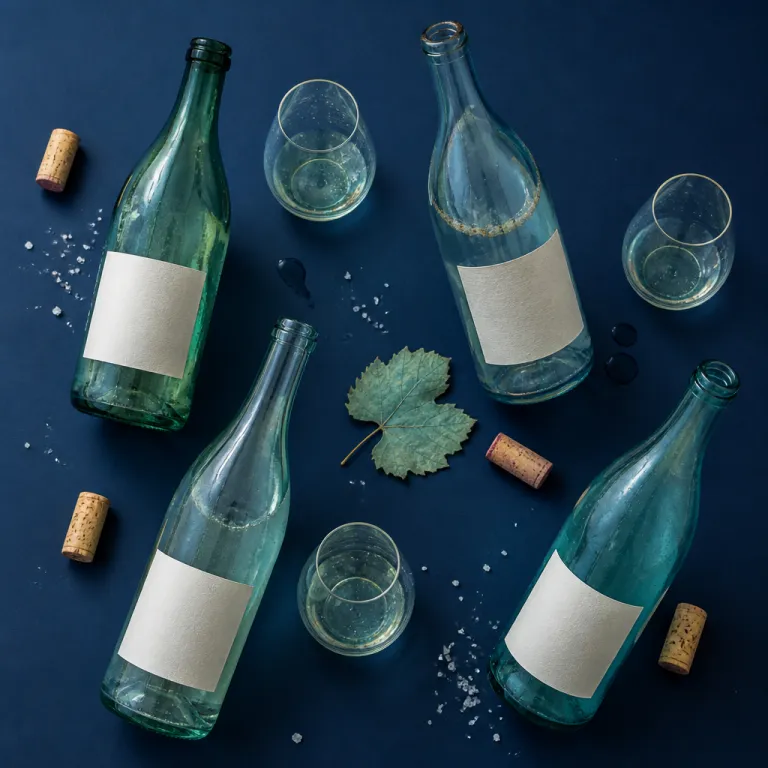
That is why the most interesting wine bars here feel more like bottle shops crossed with listening rooms than traditional bars. You can buy a bottle to take home, stay for a flight, or sign up for a wine club that sends you home with something you have never seen on a grocery store shelf. A simple photo of a cloudy pét-nat in a stemless glass, tagged with alt text like “natural wine Raleigh pét-nat at a downtown bar,” now feels like a shorthand for a whole way of drinking. The correction is quiet, but it is already changing what a good night out in downtown Raleigh looks like.
The Hippo Wine Bar and Riparian: downtown’s low intervention backbone
Walk east on Martin Street in downtown Raleigh and The Hippo Wine Bar appears almost by accident, a small room that smells faintly of orange peel, sourdough and chilled reds. This is the beating heart of the city’s natural wine scene, a place where the list reads like a zine and the staff talk more about farmers than famous regions. You can sit at the bar, order a glass of something unfiltered and feel the city’s palate shifting in real time.
The Hippo’s list leans hard into low-intervention wines, but the pricing is calibrated for regulars, not expense accounts. By-the-glass options often sit in the low double digits, with many pours between $11 and $14, and there is always a cluster of bottles under that crucial fifty-dollar price line, which makes it easy to join friends for a second round without checking your banking app. For a downtown Raleigh bar, that balance of curiosity and price discipline is rare, and it is exactly what keeps the room full on weeknights.
Food here is intentionally restrained, with small plates that support the wines instead of competing with them. Think marinated olives, tinned fish with good bread from a nearby bakery, and a rotating cheese selection that quietly showcases local producers from around Wake County. The menu is short, but it is tuned to the way people actually drink wine in bars Raleigh residents love, one thoughtful bite at a time.
A few minutes south, Riparian Provision Company blurs the line between wine shop and bar in a way that feels tailor-made for the Triangle. By day it functions as a retail shop and bottle bar, with shelves of natural wines and independent beers, and by night the lights dim just enough to turn the space into a casual neighborhood hangout. The warehouse district energy is creeping down Saunders Street, and Riparian is catching it early.
Riparian’s wine list is smaller than some downtown bars, but it is curated with a retailer’s discipline and a bartender’s sense of fun. You can grab a bottle to go at shelf price, then pay a modest corkage to drink it on site, which keeps the total cost of a night out surprisingly low compared with more formal wine bars. A recent Thursday “chilled reds” tasting, for example, offered three half-glasses for under twenty dollars, each poured from a bottle you could later buy off the shelf. That hybrid model is one reason natural-leaning wine spots in Raleigh feel accessible rather than exclusive, especially to guests who are used to shopping for Raleigh wine at grocery stores.
The events calendar at both spots matters as much as the menus. Regular tasting nights, themed flights and occasional collaborations with local bakeries or pop-up chefs turn these bars into community spaces, not just places to drink. If you already plan your weekends around peak produce at the State Farmers Market, guides like summer at the State Farmers Market pair naturally with a stop at Riparian to match those vegetables with the right bottle.
Both The Hippo and Riparian handle the education gap with a light touch, never lecturing, always pouring. Staff will happily walk you through what makes natural wines different, repeating the simple line that, “Do natural wines taste different? Yes, they often have unique, unfiltered flavors.” That honesty prepares guests for the slight haze in the glass or the gentle spritz in a chilled red, and it turns potential complaints into curiosity.
These downtown anchors also show how natural wine can coexist with Raleigh’s broader bar culture instead of fighting it. You still see guests order a beer, a classic cocktail or a simple spritz, but the gravitational pull of the wine list is strong, especially among service-industry regulars. When bartenders from other places Raleigh locals frequent choose to spend their nights off here and describe Hippo or Riparian as “where we actually drink wine,” that is the kind of quiet endorsement that matters more than any rating.
Vita Vite, St. Pierre and the restaurant crossover
Head north to North Hills and the picture shifts from warehouse district grit to polished midtown, but the natural wine story continues at Vita Vite Midtown. This hybrid wine bar and art gallery has long been a social anchor for the area, and its gradual pivot toward more natural wines shows how mainstream the movement has become. You can still order a familiar glass of prosecco, yet the most interesting Raleigh wine here now comes from small producers farming organically.
The wine list at Vita Vite balances crowd-pleasing bottles with a growing section of low-intervention options, many of them from European regions better known to your sommelier friend than to casual drinkers. Staff are careful to frame these wines as flavorful rather than “funky,” steering guests toward bright, textured whites and juicy reds that pair easily with the bar’s small plates. When a North Hills wine bar can sell a skin-contact white by the glass to a group that walked in from a nearby chain restaurant, you know the correction is working.
Food plays a bigger role here than at some downtown spots, and that matters for Raleigh’s restaurant and bakery crowd. The menu leans into shareable small plates, charcuterie boards and desserts that feel at home beside both classic wines and more adventurous pours, which makes Vita Vite a natural pre-dinner or post-bakery stop. For guests who already follow guides like a refined guide to bubble tea in Raleigh, this is another way to map the city through drinks.
St. Pierre Wine Bar, tucked off Whitaker Mill Road, takes a different tack with a focus on Old World regions and small-scale producers. The room feels like a cross between a European café and a Raleigh neighborhood bar, with a wine list that quietly leans natural without shouting about it on the chalkboard. Here, the correction shows up in the sourcing, not the marketing language.
St. Pierre’s list is a study in restraint, with a tight selection of wines that reward repeat visits rather than overwhelming you with options. You might start with a glass of lean, mineral white, then move to a lighter red that tastes like it was made for a plate of local charcuterie or a slice of naturally leavened bread from a nearby bakery. The staff talk about producers the way bakers talk about their starters, tracing each bottle back to a specific vineyard and family.
These two bars also illustrate how restaurants across Raleigh are quietly building natural wine programs without rebranding as full wine bars. Chefs in downtown Raleigh, North Hills and even Wake Forest are asking their distributors for low-intervention options that can sit beside more conventional wines on the same list. That bar–restaurant crossover means you can now drink natural wines with everything from wood-fired pizza to laminated pastries, without hunting for a dedicated wine shop.
Education here is subtle, often happening table-side when a server suggests a natural bottle as an alternative to a familiar style. Guests who ask whether natural wines are more expensive often hear the same calm answer that, “Prices vary; some are comparable to conventional wines.” When that answer is followed by a bottle that lands at a comfortable price point and tastes great with the menu, skepticism fades quickly.
For the Raleigh locavore, this crossover is the most important part of the story, because it ties natural wine directly to the city’s food and bakery culture. You can eat a croissant from a downtown bakery in the morning, grab bubble tea in the afternoon, then end the day with a glass of low-intervention red at a neighborhood bar. The through line is simple, ingredient-driven pleasure, not a chase for the next trend.
Price, education and the next wave of Raleigh natural wine
The next phase for natural wine bars in Raleigh, NC will be less about opening new venues and more about deepening what already exists. Four dedicated or heavily natural-focused wine bars may not sound like much in a metro the size of Wake County, but their influence is already visible on restaurant menus and in independent shops. The correction is moving from the margins to the center of the city’s drinking culture.
Price will remain the pressure point, especially as import costs and demand push some natural wines higher. The smartest places Raleigh residents frequent are responding by building tiered wine lists, where you can choose between an entry-level bottle at a friendly price, a mid-range option that showcases a favorite producer and a splurge that still undercuts big-city Barcelona wine temples. That structure respects both the curious guest and the committed wine nerd at the same table.
Education is the other lever, and Raleigh’s bars are starting to treat it as a core part of hospitality rather than an optional extra. Regular tasting events, themed flights and informal classes help guests understand what natural wine means beyond the buzzwords of organic and biodynamic, and they give staff a chance to share their own enthusiasm. When a bartender explains that, “Are natural wines more expensive? Prices vary; some are comparable to conventional wines,” and then proves it with a well-priced pour, the lesson sticks.
Local connection will define which bars feel essential over the next few years. North Carolina wineries experimenting with low-intervention methods are beginning to show up on the wine list at places like The Hippo, Riparian and St. Pierre, giving guests a way to drink local in a deeper sense than just choosing a regional beer. As more producers in Wake County and nearby regions shift toward sustainable viticulture, the distance between vineyard, bakery and bar will keep shrinking.
There is also room for more structured programs, from wine club memberships that highlight natural producers to collaborations with wine authorities like regional educators and importers. A well-run wine club can turn a casual guest into a regular, sending them home each month with a bottle that challenges their palate just enough. When those boxes include notes that connect the wines to local food, bakeries and seasonal events, they become another thread in Raleigh’s food culture.
Raleigh’s broader bar scene will keep evolving alongside this shift, with places like Foxcroft Wine and Vinos Finos in nearby neighborhoods paying attention to how natural wine is reshaping expectations. Even if they never rebrand as fully natural wine bars, the pressure to carry at least a few low-intervention options will grow as guests taste more of these wines downtown. The correction does not require every bar to change, it just requires enough of them to make the old status quo feel dull.
For diners who already plan special meals using guides like Mother’s Day brunch in Raleigh, natural wine is simply the next layer of decision making. You choose the bakery with the best crumb, the restaurant with the most thoughtful menu and now the bar with the most honest wine list. The metric is not the Yelp star, but the line out the door on a Tuesday.
Natural wine’s quiet rise here is not about chasing what is cool in Barcelona or Brooklyn, it is about aligning what is in the glass with what is already on the plate. When a city that obsesses over its biscuits, baguettes and bao finally gets wine bars that care as much about farming as fermentation, the correction feels overdue. Raleigh is not trying to be the next Barcelona wine destination, it is trying to be the best version of itself, one unfiltered glass at a time.
Key figures behind Raleigh’s natural wine shift
- Four dedicated or strongly natural-focused wine bars—The Hippo Wine Bar, Riparian Provision Company, Vita Vite Midtown and St. Pierre Wine Bar—now operate in Raleigh, a small but influential group that has helped diversify the city’s wine culture according to local business directories and trade listings.
- Natural wine sales in the region are widely reported by distributors and shop owners as one of the fastest-growing segments between 2020 and 2025, a jump that reflects both growing consumer interest and more venues adding low-intervention options to their wine lists, based on aggregated distributor feedback and industry commentary rather than a single published data set.
- These four bars represent a tiny fraction of the total number of bars in Wake County, yet they account for a disproportionate share of natural wine tasting events and educational programming, as reflected in their public events calendars and social media announcements over the past few years.
- Most natural wine programs in Raleigh now include a dedicated section of bottles priced under fifty dollars, allowing them to compete directly with conventional selections on price while still supporting sustainable producers.
- The number of venues integrating art, community events and wine, such as gallery-style wine bars, has grown steadily, mirroring a broader national trend toward multi-use spaces that treat wine as part of a cultural experience rather than a standalone drink.