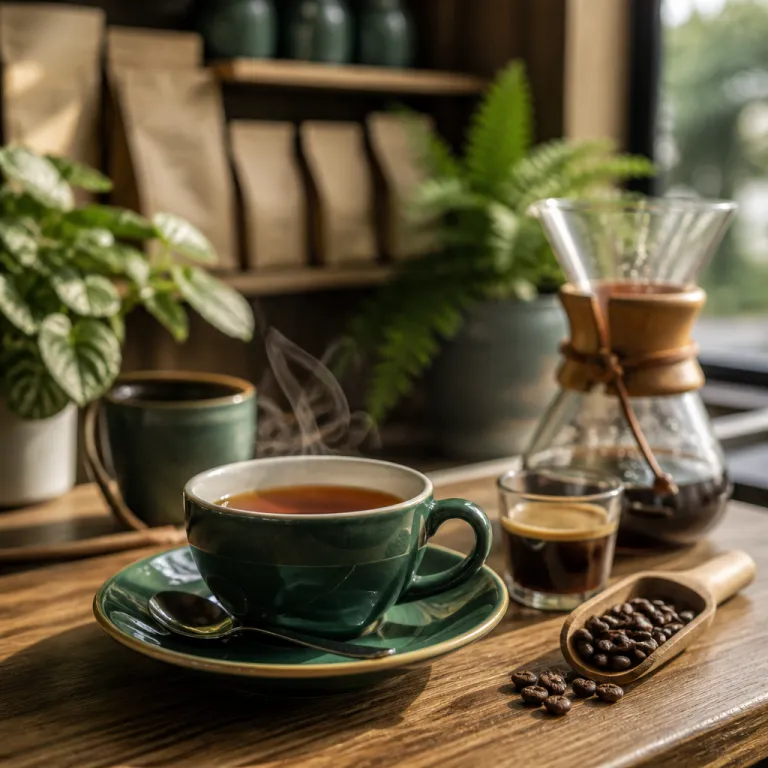
What third wave coffee really means in Raleigh’s triangle
Third wave coffee roasters in Raleigh NC treat every bean like a seasonal ingredient, not a commodity. In this triangle of Raleigh, Durham and Chapel Hill, the movement centers on buying directly, roasting lighter and talking openly about origin, process and the farmers behind each lot. When you visit a local cafe that takes this seriously, you feel it in the menu, the bar flow and the way staff talk about coffee culture rather than just the caffeine.
In practical terms, third wave coffee here means a roaster choosing a single origin Ethiopian or Colombian lot for clarity, then adjusting the roast curve to highlight fruit, florals or cocoa instead of chasing a dark, oily sheen. That is why the best coffee menus in this city list not only the country, but the region, altitude and processing method, whether natural, washed or honey, and they will happily explain how each wave of roasting history led to this level of transparency. When you hear a barista in Raleigh or in nearby Durham and Chapel Hill neighborhoods talk about a washed single origin from a specific hill in Guatemala, you are hearing the triangle coffee scene at full volume.
Local roasters in North Carolina’s capital now operate more like small wineries than old school state coffee brands, with cupping sessions, roast logs and triangle coffee tasting flights. The scene has shifted from generic blends toward independent coffee roaster profiles that change every few weeks, and regulars track those waves of flavor like sports scores. When people talk about third wave coffee roasters in Raleigh NC today, they mean a culture where the roaster, the cafe and the drinker share responsibility for what ends up in the cup.
From roastery to cup: the triangle’s most serious beans
Triadic Coffee Roasters sits at the quiet, obsessive heart of the triangle coffee world, roasting small batches for cafes across Raleigh, Durham and beyond. This roaster treats each bean as a data point, logging charge temperatures, development times and cupping notes so that a single origin Kenya or Peru tastes consistent whether you drink it at a downtown cafe roastery or brew it at home. When you buy their bags through an online store or at a local market, you are plugging directly into the research and tasting program that defines third wave coffee roasters in Raleigh NC.
In Durham, the independent coffee crowd still talks about Bean Traders as one of the early traders in the specialty roast game, long before waves coffee became a marketing phrase. Bean Traders built its reputation on approachable blends and a full espresso bar, then gradually layered in more single origin offerings as the coffee scene matured across the triangle. Today, you can sit in their cafe, order a pour over from a rotating list and taste how a careful roast can keep sweetness without tipping into bitterness, which is the core promise of third wave roasting.
Chapel Hill and the wider Durham Chapel corridor lean on both local roasters and regional players like Counter Culture, whose training labs quietly shaped barista skills across North Carolina. While Counter Culture is not a cafe itself, its presence in the state coffee landscape means that many baristas in Raleigh, Durham and Chapel Hill learned to taste, calibrate and talk about coffee through its education program. For a newcomer, that means when you visit a cafe in this city and see Counter Culture or another serious roaster on the hopper, you can expect a level of precision that fits the third wave coffee roasters in Raleigh NC reputation, especially on pour overs and espresso.
State Farmers Market coffee and breakfast runs are another way to meet these roasters in the wild, since many set up pop ups alongside bakers and produce stalls. That is where you often find limited roast batches, experimental waves coffee profiles and conversations with the actual roaster rather than just the barista. In a triangle city that treats markets as social hubs, those mornings connect the dots between farm, roastery and cup.
Where Raleigh’s baristas taste every shot
In a true third wave cafe, the barista tastes the espresso before you do, and Raleigh’s best coffee bars quietly follow that rule. According to local industry conversations, a high percentage of cafes in this city have baristas who taste shots to ensure quality, which means you are not the test subject for a new grind setting. That habit separates serious third wave coffee roasters in Raleigh NC and their partner cafes from generic coffee shops that treat espresso like a button, not a craft.
Iris Coffee Lab leans into what some call a fourth wave experience, but the foundation is classic third wave discipline, from precise espresso dialing to experimental pour over service. At Iris, you will often see a barista pull a shot, taste a small spoonful, then adjust the grind or yield before serving the next drink, which is the quiet choreography behind that balanced flat white you sip while working. Their menu reads like a mini course in coffee scene vocabulary, with single origin options, processing notes and tasting descriptors that actually match what ends up in the cup.
Idle Hour Coffee, with its mix of Vietnamese plates and specialty coffee, treats espresso calibration as seriously as its kitchen line, which matters when the cafe is full of laptops and brunch plates. New World Cafe pours from local roasters and keeps a tight espresso program, often tasting shots during shift changes so that the last cortado of the day tastes like the first. When you walk into these independent coffee shops around Raleigh and Durham, the presence of a dedicated cafe roastery relationship and a barista who tastes the shot tells you that third wave coffee roasters in Raleigh NC are not just a trend, but a standard.
For a different angle on the ritual, the new wave of park side kiosks and seasonal stands, like those highlighted in this guide to coffee at Dix Park, show how the coffee scene triangle extends beyond traditional storefronts. Even in those compact setups, you will often see a barista taste a quick espresso or adjust a pour over grind between rushes. That is third wave discipline applied to a walk up window with a sunflower view instead of a marble bar.
Pour over versus espresso: how to order like a regular
Third wave coffee roasters in Raleigh NC built their reputations on pour overs, and the triangle still treats a well executed V60 as a benchmark. A pour over is a manual brewing method where hot water is poured slowly over ground coffee in a filter, which allows the barista to control extraction and highlight the nuances of a single origin bean. When you order one at a local cafe, you are asking the barista to showcase both the roaster’s work and their own technique.
Espresso, by contrast, is brewed under pressure in about thirty seconds, producing a concentrated shot that forms the base for drinks like cappuccinos and lattes. In Raleigh’s coffee scene, the best coffee bars treat espresso like a separate program, with dedicated grinders, scales and tasting routines to keep shots consistent throughout the day. That is why you might see a barista at a busy city cafe pull a shot just to taste it, then adjust the grind before serving customers, which is a hallmark of serious third wave practice.
When you read a menu at a triangle coffee shop, look for clues that the cafe is aligned with specialty roasters in Raleigh NC, such as clear single origin listings, roast dates and process notes. If you see a washed Ethiopian on pour over and a slightly darker roast blend on espresso, that is a sign the roaster and cafe have built a full flavor strategy rather than using one generic roast for everything. In a scene where independent coffee bars compete on nuance, choosing between pour over and espresso becomes less about strength and more about which side of the roast profile you want to explore that morning.
How to read a third wave coffee menu in Raleigh
Standing in front of a chalkboard full of regions, processes and tasting notes can feel like a quiz, especially if you are new to third wave coffee roasters in Raleigh NC. Start with origin, because single origin means the beans come from one country, region or even farm, which usually gives a clearer, more distinctive flavor than a blend. If you see a blend on the menu, it often aims for balance and consistency, while single origin offerings lean into character, whether that is bright citrus, berry sweetness or deep chocolate.
Next, pay attention to process, which tells you how the coffee cherry was handled after picking, and that choice shapes the final cup as much as the roast. Washed coffees tend to taste cleaner and brighter, natural processed coffees often bring more fruit and funk, and honey processed lots sit somewhere in between, with sweetness and body. When a local cafe in this city lists process on the menu, it signals a third wave mindset, because they expect you to care about how those waves of flavor were generated.
Finally, look at the roast level and brewing suggestions, which good roasters and cafes in North Carolina’s triangle now include as part of their state coffee education effort. A lighter roast single origin from a hill region in Central America might shine as a pour over, while a slightly fuller roast blend could anchor the espresso program. Once you learn to read those cues, you can walk into almost any independent coffee shop in Raleigh or Durham, scan the menu and order like a regular who understands how third wave coffee roasters in Raleigh NC think about the bean from farm to cup.
Cafes as workspaces versus ritual stops
Not every third wave cafe in Raleigh wants to be your office, and understanding that split will save you some side eye and a few awkward outlet hunts. Some spaces are designed as full day work hubs, with big tables, plentiful plugs and a steady espresso program that keeps the coffee flowing for laptop users. Others lean into the twenty minute ritual, where the focus is on the pour over bar, the music and the conversation rather than the triangle of laptop, charger and spreadsheet.
The Third Place Coffee Shop in Five Points has long been a living room for the neighborhood, with local art on the walls and a steady hum of regulars who treat the space as both meeting point and reading room. It serves coffee from respected roasters and offers pour overs, but the culture leans more toward community than heads down work, which fits the original idea of a third place between home and office. Idle Hour Coffee, by contrast, often feels like a hybrid, where brunch plates, Vietnamese dishes and specialty drinks share the room with remote workers who settle in for a few hours.
New World Cafe, with its focus on pour overs and espresso drinks from local roasters, tends to attract a mix of students, freelancers and neighborhood regulars who appreciate a serious coffee program without the hush of a library. Iris Coffee Lab skews more toward the focused end of the spectrum, with a bar layout and menu that reward people who want to talk about processing methods and roast curves as much as they want to answer emails. When you are mapping your own triangle of go to spots among third wave coffee roasters in Raleigh NC, think about whether you want a scene triangle energy boost or a quiet corner, then choose the cafe that matches that mood.
For days when you want coffee to frame a whole day of eating, this guide to a long weekend of eating in Raleigh pairs morning cafe stops with bakeries, markets and late night snacks. That kind of itinerary shows how third wave coffee roasters in Raleigh NC now sit alongside restaurants and bakeries as anchors of the city’s food culture. The real metric of a cafe’s success here is not the Yelp star, but the line out the door on a Tuesday.
Left Hook and the new community focused wave
Left Hook Coffee’s opening at 912 East Hargett Street signaled a new chapter for third wave coffee roasters in Raleigh NC, one where community programming sits alongside roast profiles. The grand opening featured local vendors and live music, turning a cafe launch into a neighborhood block party rather than a quiet soft opening. That choice fits a broader triangle pattern, where independent coffee shops act as cultural hubs as much as caffeine stops.
Left Hook’s approach reflects the goals many Raleigh roasters now share, which include providing high quality coffee, educating consumers and fostering community engagement through events and collaborations. By hosting markets, cuppings and classes, a cafe roastery like this turns the technical side of roasting and brewing into something accessible, even for people who usually just order a latte and move on. When a barista pauses to explain why a particular single origin roast tastes different from the house blend, they are extending the third wave ethos beyond the espresso machine.
Across the city, you see similar moves, from small triangle coffee pop ups in shared kitchens to independent coffee carts at festivals, all of which expand the coffee scene triangle beyond traditional storefronts. These operators often partner with local traders, bakers and food trucks, creating full flavor experiences where a carefully roasted bean shares the stage with a pastry or sandwich. In that context, third wave coffee roasters in Raleigh NC are not just suppliers, but co authors of the city’s broader food narrative, shaping how residents think about quality, origin and the value of slowing down for a well made cup.
Key figures behind Raleigh’s third wave coffee
- Local coffee organizers and cafe owners describe a growing cluster of third wave focused cafes operating in Raleigh, which is a significant number for a city of this size and shows how deeply specialty coffee has penetrated everyday routines.
- The average price of a pour over coffee in Raleigh sits around 5 USD based on typical cafe menus, which reflects both the cost of higher quality single origin beans and the extra time required for manual brewing.
- Many specialty cafes in the city have baristas who taste espresso shots during service, according to informal industry surveys, and that habit is a defining marker of serious third wave practice.
- Small batch roasting and alternative brewing methods such as V60 and Chemex have grown steadily in popularity, mirroring national trends while giving Raleigh’s triangle coffee scene its own local flavor.
- Rising interest in sustainability and transparent sourcing has pushed more roasters in North Carolina to publish origin, processing and pricing details, which helps consumers understand the full journey of their daily cup.
FAQ about third wave coffee in Raleigh
What is third wave coffee and how does it show up in Raleigh ?
Third wave coffee is a movement emphasizing high quality, single origin beans and artisanal brewing methods, and in Raleigh that translates into cafes and roasters that highlight origin, process and roast level on their menus. You see it in pour over bars, small batch roasteries and baristas who taste shots to keep espresso consistent. The result is a coffee scene where flavor, transparency and farmer relationships matter as much as convenience.
Which Raleigh cafes are known for pour over service ?
Several specialty cafes in the city focus on pour over brewing, including Iris Coffee Lab, The Third Place Coffee Shop, Idle Hour Coffee and New World Cafe. These spots use tools such as V60 drippers and Chemex brewers to showcase single origin coffees from local and regional roasters. If you want to taste the full range of what third wave coffee roasters in Raleigh NC can do, start with their pour over menus.
Do baristas in Raleigh really taste espresso shots during service ?
Yes, many specialty cafes in Raleigh have baristas who taste espresso shots regularly to ensure quality, especially during shift changes or when dialing in a new coffee. Informal industry surveys suggest that a large majority of third wave focused shops follow this practice. For guests, that means a more consistent experience and fewer sour or bitter surprises in the cup.
How can I learn to read a coffee menu without feeling overwhelmed ?
Begin by focusing on three elements, which are origin, process and roast level, because those details tell you most of what you need to know about flavor. Single origin coffees usually offer more distinct character, while blends aim for balance, and processing terms such as washed or natural hint at whether the cup will taste clean or fruity. Baristas at third wave coffee roasters in Raleigh NC are generally happy to walk you through the options, so treat the menu as a starting point for a conversation.
Where should a newcomer start exploring Raleigh’s third wave coffee scene ?
A good first step is to visit a mix of cafes that roast their own beans, such as dedicated roasteries, and cafes that serve respected regional roasters like Triadic Coffee Roasters or Counter Culture. Try a pour over at one spot and an espresso drink at another, paying attention to how origin and roast level change the experience. Over a few weekends, you will build your own map of third wave coffee roasters in Raleigh NC that fit your taste, budget and preferred cafe atmosphere.
Sources
- Conversations with local coffee organizers and cafe owners about specialty cafe numbers and pricing in Raleigh.
- Informal industry surveys on barista practices and espresso quality control in North Carolina.
- Regional tourism and hospitality guides covering Raleigh’s coffee and cafe culture.