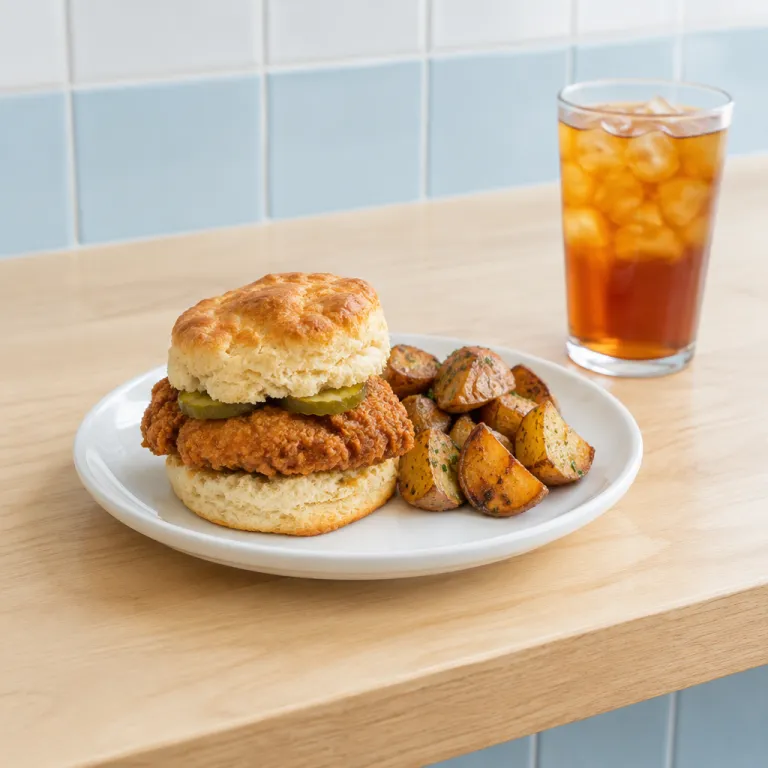
Why chef-driven fast casual in Raleigh now sets the bar
In Raleigh right now, the sharpest cooking per dollar happens at the counter. The chef-driven fast casual Raleigh scene lets ambitious cooks trade white tablecloths for tight menus, high craft and a leaner cost structure that actually respects your budget. When inflation keeps nudging full service checks higher, counter service quietly becomes the most rational way to chase serious food without a special occasion.
Counter-service restaurants in Raleigh cut labor, shrink the footprint and move faster, which means more of your money lands on the plate instead of the payroll. The local data backs it up with counter-service options now taking a significant share of the metro dining landscape, and that shift is exactly why a focused fast casual menu can deliver better ingredients and technique than a middling sit down restaurant at the same price. When you pay up front at a walk up counter or kiosk, you are buying food first and service second, and for many Triangle diners that is finally the right order of priorities.
The city’s counter tier stretches from KOKORO Ramen & Izakaya in City Market to bagel counters in North Hills, and it is reshaping what a Raleigh dining experience looks like on a Tuesday night. You see it in the way a locally owned café will run a tight breakfast lunch menu with house smoked bacon, then flip to a compact dinner board of asian rice bowls or latin american style tacos without ever hiring a full waitstaff. You feel it when a family can walk into a fast casual spot in downtown Raleigh, feed four people well for the price of two entrées at a generic american restaurant and still have room in the budget for ice cream on Person Street.
That value math is not theoretical ; it is lived out in line every day. One industry summary puts it plainly with a question many Raleigh diners now ask themselves : "Why does counter service cost less?" followed by the blunt answer "Less staff, no waitstaff, faster turnover, lower tips". When you pair that with the reality that "Are counter meals always lower quality?" gets the equally direct response "Not necessarily; many fast-casual and ethnic spots deliver high quality", you start to understand why chef-driven fast casual Raleigh counters are packed while some white tablecloth rooms sit half empty.
The value equation: what you get at the counter for 15 dollars
Walk through downtown Raleigh at lunch and the value gap between counters and tables is almost comically visible. At a chef-led fast casual café, 15 dollars buys a wood fired style pizza with blistered crust, a seasonal salad and maybe a nonalcoholic drink, while the same money at a full service bar barely covers a starter and the tip. The best counters treat that 15 dollar bill as a design constraint, not a limitation, and they engineer menus where every gram of flour, every spoon of sauce and every minute of labor has to earn its keep.
Think about a place like Flour Barrel, the kind of sandwich shop bakery hybrid Raleigh does so well, where a long fermented dough becomes both morning breakfast buns and a lunch focaccia base. That single tub of flour becomes breakfast sandwiches, style pizza squares and even croutons for a composed salad, and the savings from that efficiency show up in your final bill instead of a linen budget. When a chef can run breakfast lunch and early dinner out of one compact kitchen, the rent per plate drops, and that is exactly why counters now offer better food drink value than many sit down spots that still cling to sprawling menus.
The same logic plays out at bowl concepts like Bul Box, where build your own asian inspired combinations let you stack marinated proteins, pickled vegetables and house sauces over rice or greens. You pay once at the counter, skip the extended tipping ritual and still walk away with a meal that feels closer to a thoughtful restaurant plate than fast food, especially when the team leans on family recipes and regional southern or latin american pantry staples. For a Raleigh family trying to stretch a dining budget, that difference between a 15 dollar counter bowl and a 40 dollar full service entrée is not just a number ; it is the difference between eating out twice a week or once a month.
Even pizza illustrates the split, especially as Raleigh’s next pizzeria wave leans into counter formats and hidden spaces. The speakeasy style project teased off Cabarrus Street, covered in depth as Raleigh’s next pizzeria hiding behind a storage closet, is betting that an order at the counter model can fund better toppings and longer ferments instead of a large front of house staff. When you can get a slice that tastes like a serious italian restaurant pie, plus a glass of wine from a compact wine bar list, and still leave under 20 dollars, it becomes very hard to justify a 30 dollar plate of generic pasta at a table service spot around the corner.
Where counters fall short, and when the room still matters
None of this means the table is dead in Raleigh, or that every chef-driven fast casual Raleigh counter can replace a lingering night at a great dining room. There are evenings when you want a server who remembers your favorite cocktails, a wine bar team that can talk you through a north carolina flight and a room that lets you sit for two hours without a buzzer telling you your table is ready. Hospitality is still a craft, and the best full service restaurants in the Triangle prove that every weekend.
Service polish matters most when the occasion matters more than the check, whether that is an anniversary, a business dinner or a long overdue catch up with friends. You feel the difference when a well trained équipe paces a tasting menu, when a sommelier quietly steers you away from the obvious bottle and when the kitchen sends an extra bite because they recognize you from last month. That level of choreography is hard to pull off in a cramped counter space where the same person might be taking orders, running plates and wiping down tables between rushes.
Raleigh’s best operators understand this spectrum and place themselves intentionally along it, rather than pretending every concept can be everything to everyone. A polished north hills restaurant like the one profiled in the piece on why Good Graces keeps earning praise shows how a room, a bar program and a well trained staff can justify a higher check when the experience is cohesive. At the same time, many locally owned spots in the village district or along Person Street now run hybrid models, with counter ordering but near full service once you sit, blurring the line between fast casual and traditional restaurant in a way that suits Raleigh’s laid back style.
There are also real drawbacks to the counter surge that regulars feel acutely. No reservations means you might be eating your tacos at a standing ledge, cramped rooms can turn a relaxed lunch into a noisy sprint and the lack of a dedicated server sometimes leaves accessibility or allergy needs under addressed. Those tradeoffs are worth naming honestly, because the goal is not to crown counters as morally superior, but to recognize that for most weeknight food decisions in Raleigh, the best value still lives at the counter while the white tablecloth remains a sometimes treat.
How Raleigh’s counter culture is reshaping neighborhoods and habits
Follow the counter trend across Raleigh’s neighborhoods and you start to see a new map of how the city eats. Downtown Raleigh now mixes legacy bbq and southern institutions with a wave of fast casual concepts, from asian noodle bars to italian sandwich shop counters, all competing for the same lunch crowd that used to default to sit down chains. That shift is not just about taste ; it is about how people want to spend time and money in a workday that rarely leaves room for a two hour meal.
In the village district, you can move from a café serving meticulous breakfast sandwiches to a locally owned italian restaurant doing wood fired pies, all without ever sitting down for traditional table service. Families grab breakfast lunch combos on the go, office workers slide into a bar stool for a quick plate and a drink, and the same spaces flip into casual wine bar energy after dark with a tight list of cocktails and small plates. Person Street and its surrounding blocks tell a similar story, where a food hall style cluster of vendors lets you mix tacos, pizza and ice cream from different counters into one shared dining experience that feels more like a neighborhood block party than a formal restaurant night.
Raleigh Iron Works and other mixed use hubs push this even further, turning counter service into the backbone of new food districts. Coverage of how that development is becoming a food destination, including spots like Lewis Barbecue and Mami Nora’s alongside Botiwalla, shows how a cluster of chef-driven fast casual Raleigh concepts can anchor an entire evening out without a single white tablecloth in sight, as detailed in the feature on Raleigh Iron Works as a food destination. When you can move from smoked meat to rotisserie chicken to a scoop of ice cream in one walkable loop, the old model of booking one restaurant and staying put starts to feel strangely rigid.
Behind all of this is a hard economic truth about rents, labor and how Raleigh diners now calculate value. High commercial leases in central raleigh and rising wages across north carolina make it brutally expensive to run a full service room unless you charge a premium, and many guests simply will not pay that for an average plate of food. Counter formats, with their smaller équipes and quicker turnover, let chefs keep prices closer to that 15 dollar sweet spot while still paying staff decently, and that is why the counter is increasingly where the city’s most interesting ideas hit the plate first, not the Yelp star but the line out the door on a Tuesday.
Key figures behind Raleigh’s counter-service shift
- Counter-service options now account for roughly 38 percent of the Raleigh metro dining landscape, according to Savor Scout, a share that reflects how quickly fast casual formats have moved from fringe to default.
- Local industry tracking since the high inflation period began shows that full service restaurant checks in Raleigh have risen significantly faster than counter-service tickets, which helps explain why more families now choose counter spots to avoid large tips and higher labor driven prices.
- Operators report that reduced front of house staffing and quicker table turnover at counter-service restaurants can cut labor costs by a substantial margin compared with traditional dining rooms, allowing more of each guest’s payment to go directly into ingredients and kitchen talent.
- Regional surveys of Raleigh diners indicate a clear behavioral shift, with many respondents saying they now prioritize counter-service venues for weekday meals while reserving full service restaurants for special occasions, a pattern that aligns with the growth of build your own bowl concepts and food hall style developments across the city.