Why Raleigh food tours work best as a weekend with a local
Raleigh rewards people who slow down and treat the city like a neighborhood, not a checklist. A well-planned 48-hour Raleigh food itinerary feels less like a scripted outing and more like a long conversation with a friend who knows which locally owned restaurants are worth your limited time. Think of your weekend as one continuous food crawl, stitched together by short walks, quick rides, and a running thread of local history.
Professional operators such as Taste Carolina Gourmet Food Tours and Triangle Food Tours have already proved that guided walking tours can balance restaurant stops, tastings, and stories from the city’s past. Their model is simple but effective: a small group, a knowledgeable guide, about five stops, and roughly three hours of moving through downtown Raleigh while you learn how North Carolina’s capital became a serious food city. You can borrow that same rhythm and build your own weekend-long food itinerary, using their structure as a flexible guide.
Most organized Raleigh tasting tours last around three hours, focus on one or two central neighborhoods, and mix savory bites with something sweet. Public tour prices commonly fall between roughly $79 and $109 per person (always confirm current rates on the operator’s website), which is helpful context when you budget your own self-guided route across downtown Raleigh and nearby districts. If you prefer a hosted experience, both Taste Carolina and Triangle Food Tours typically run scheduled tours on Fridays and Saturdays, with walks that operate rain or shine and that can often accommodate many dietary needs when you give advance notice.
To visualize how compact this all is, you can map your own route in Google Maps or Apple Maps and save it as a custom list. Most of the stops in this guide sit within a 5–15 minute drive of one another, and downtown segments often take 10–20 minutes on foot, so you can realistically treat the whole weekend as a single, connected Raleigh food tour.
Friday night: Glenwood South to downtown, bar stools and late cocktails

Start your 48-hour Raleigh food itinerary on Glenwood South, where the energy feels like a permanent Friday. Park once near the intersection of Glenwood Avenue and Tucker Street (street parking and paid decks such as the Glenwood South Parking Deck are available nearby), then treat the area as your first mini walking tour, hopping between bars and independent restaurants without ever needing a car. This neighborhood crawl doubles as your first lesson in the city’s recent history, because Glenwood’s former warehouses and parking lots have turned into one of the densest restaurant zones in North Carolina.
Begin early at Stanbury (938 N Blount St; check current hours and reservations at stanburyraleigh.com), just off Person Street but close enough to fold into a Glenwood-and-downtown loop, where the menu reads like a love letter to Carolina farms. This is where serious eaters often send guests who want to taste North Carolina on a plate, from pristine seafood to creative nose-to-tail dishes that locals regularly order early in the evening. Expect small plates in the roughly $15–$25 range and a bar program that rewards adventurous ordering. Plan on a couple of dishes and a thoughtful food-and-drink pairing at the bar, then walk (about 20–25 minutes) or rideshare 5–10 minutes toward Glenwood South proper for the next chapter of your evening.
For a different angle on Raleigh’s restaurant scene, book a table at a Latin American spot such as Cuya Cocina Latina on Glenwood South (verify address, hours, and reservations via their official social channels or website) or another locally owned cocina where empanadas arrive blistered and fragrant and ceviche snaps with citrus. If you are designing a private tour for visiting friends, this is the moment to talk about how Raleigh’s Latin-owned kitchens have shaped the city’s flavor, especially as families moved here from across the Americas. After dinner, stroll 10–15 minutes or grab a short ride downtown to The Crunkleton (320 W Martin St; details and reservations at thecrunkleton.com), where the cocktail list reads like a spirits history lesson and turns your first night into a proper Raleigh bar tour. Most of this route is flat and walkable, with curb cuts at major intersections; if accessibility is a concern, plan on short rideshare hops between stops.
Saturday morning: bakery crawl, food halls, and Moore Square
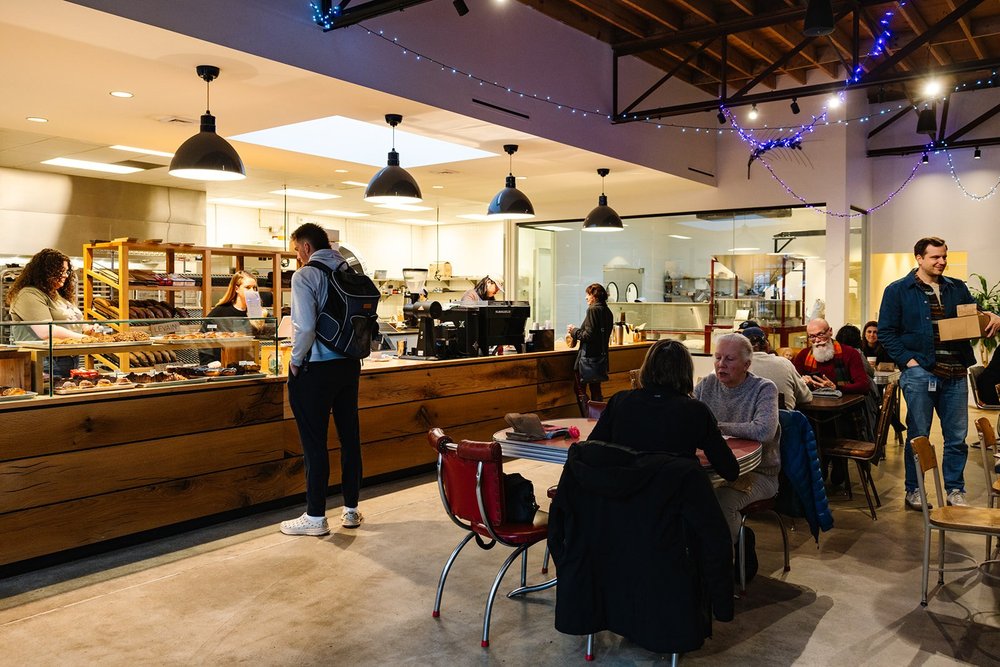
Saturday morning is for carbs and coffee, and any good 48-hour Raleigh food itinerary that skips bakeries misses half the story. Start in Oakwood at Yellow Dog Bread Company (219 E Franklin St; see yellowdogbread.com for hours), where the sourdough starter has its own local following and the pastry case leans sweet without feeling heavy. Grab a croissant or a cinnamon knot (usually under $5), then use the quiet streets as your own self-guided walking tour through a historic neighborhood that shows how close residential life sits to downtown; on-street parking is usually available, and sidewalks are generally smooth but can be narrow in spots.
Next stop is Boulted Bread (614 W South St; menu and opening times at boultedbread.com), a must for any serious food tour or private itinerary you plan for friends who care about flour. The bakers here treat whole grains with almost academic focus, turning out laminated pastries and loaves that show why Raleigh’s chef-driven restaurants compete for their bread deliveries. From Yellow Dog, it is roughly a 7–10 minute drive to Boulted, or about 30 minutes if you prefer to walk across downtown. From Boulted, it is a short 5–10 minute drive to the State Farmers Market (1201 Agriculture St; visitor info at ncagr.gov), where you can see how North Carolina growers feed the city and where a self-guided Raleigh tasting tour can easily turn into a full morning of sampling seasonal produce, jams, and biscuits. The market has extensive free parking and covered walkways, which helps in bad weather.
Late morning, aim your steps toward downtown Raleigh and Moore Square, the historic park that anchors several modern food halls such as Transfer Co. Food Hall (500 E Davie St; see transfercofoodhall.com) and the seasonal Moore Square Market farmers market (downtownraleigh.org lists current dates). Moore Square itself is a pleasant pause in your tour, a place to sit, regroup, and plan which stall will handle lunch. Many local food tours weave through these halls because they let you mix neighborhood cooking styles in one stop—from empanadas to barbecue—and they are ideal if your group has mixed dietary restrictions that need flexible menus. Public parking decks and GoRaleigh bus routes serve this area; the park paths are paved and generally accessible, and most food hall entrances sit within a 5–10 minute walk of the square.
Saturday afternoon and night: neighborhoods, Warehouse District, and late night foundations

By midday, you have choices: keep your Raleigh food tour tight in downtown or branch into a neighborhood like Five Points. Five Points works beautifully for afternoon grazing because you can park once near Glenwood Avenue and Whitaker Mill Road and wander between a bottle shop, a casual lunch spot, and a café without losing time to traffic. This is where a local-style guide shines, steering you toward the corners where the city’s food-and-drink culture feels lived in rather than staged; sidewalks here are walkable but can be hilly, so plan footwear accordingly.
If you prefer a more polished scene, North Hills offers a different kind of Raleigh dining circuit, with newer restaurants and easy parking that suits families or groups. Here, your walking tour happens inside a compact mixed-use area, so you can move from tacos to gelato in minutes while still feeling the pulse of the city. Either way, you are building your own version of the neighborhood experiences that professional Raleigh tour operators highlight when they design their itineraries, and you can use rideshare or GoRaleigh buses to hop between districts in 10–20 minutes depending on traffic.
As evening falls, head to the Warehouse District, where brick warehouses and rail lines frame some of the city’s most ambitious restaurants. Many Raleigh food tours end here for good reason: you can eat whole-hog barbecue at The Pit (328 W Davie St; menus and reservations at thepit-raleigh.com), then slip into Foundation (213 Fayetteville St, entrance on W Hargett St; see foundationnc.com) for a nightcap that leans heavily on North Carolina spirits. The Pit and Foundation sit about a 10-minute walk apart through downtown streets, or a 3–5 minute drive if you prefer to move by car. This part of downtown is walkable, dense with bars, and ideal for private groups that want a dramatic finale without worrying about long rides between stops; rideshare and parking decks such as the Raleigh Convention Center garages are plentiful within a few blocks.
Sunday: Boylan Heights views, Dix Park coffee, and a Durham side trip
Sunday morning is the time to slow your Raleigh food tour and let the city breathe a little. Start in Boylan Heights, the historic hilltop neighborhood that gives you one of the best skyline views of downtown Raleigh. A short self-guided walk through Boylan Heights doubles as a crash course in local architecture and history, and it helps you understand how close quiet streets sit to busy restaurants and bars; most blocks have sidewalks, but some hills are steep, so consider drive-up viewpoints if mobility is limited.
For brunch, St. Roch Fine Oysters + Bar (223 S Wilmington St; details and online booking at strochraleigh.com) or Madre (607 W Morgan St; check menus and reservations via their official site or booking platforms) in downtown offer two different but equally thoughtful takes on Southern food and seafood. Both work well for groups with dietary restrictions, because the menus are flexible and the staff are used to guiding guests through options without making it a big production. Popular brunch slots can book out a week or more in advance, especially on holiday weekends, so reserving early is wise. After brunch, drive or walk toward Dorothea Dix Park (dorotheadixpark.org) and Cottage Coffee (located near the park’s edge; confirm exact address and hours online), where you can sit with a latte, look back at the city, and reflect on how your Raleigh weekend stitched together so many corners of North Carolina’s capital. Parking at Dix Park is free in designated lots, and paths are a mix of paved and gravel.
Before you end, consider a quick drive to Durham, about twenty to thirty minutes away via I‑40 in typical traffic, to extend your food tour across the Triangle. If you prefer to stay closer to Raleigh while still exploring the region, La Recette Patisserie (1305 NW Maynard Rd in Cary; see larecettepatisserie.com) sits roughly 20–25 minutes from downtown Raleigh and offers precise, sweet pastries that feel like a final exam for your weekend of tasting. You can pair them with one more coffee before heading home. When you plan places to stay next time, think about splitting nights between Raleigh, Durham, and nearby Cary, turning future Raleigh food tours into Triangle-wide walking adventures that link multiple downtowns and food halls in a single, layered experience.
How to choose between guided Raleigh food tours and DIY weekends
Deciding between a professional Raleigh food tour and a self-planned 48-hour Raleigh food itinerary comes down to how much structure you want. Guided walking tours with companies like Taste Carolina or Triangle Food Tours give you a curated slice of downtown Raleigh, complete with a guide who handles timing, tipping logistics, and city history. A do-it-yourself itinerary lets you linger longer at a food hall stall you love or detour into Boylan Heights when the light looks perfect.
Organized tasting experiences usually include about five stops over three hours, which is enough time to sample North Carolina flavors without feeling rushed. They also shine if your group has varied dietary restrictions, because the operators already know which locally owned restaurants can adapt menus gracefully. Self-guided tours, on the other hand, work better for repeat visitors or locals who want to fold in specific restaurants, private brewery visits, or side trips to empanada spots they saw on TripAdvisor or Visit Raleigh.
Whichever route you choose, remember that the best Raleigh food experiences treat the city as a living neighborhood, not a backdrop. Use short walks to connect downtown, Moore Square, Boylan Heights, and the Warehouse District, and let your food-and-drink decisions follow the rhythm of the streets. In the end, the most reliable rating is not the TripAdvisor score, but the line out the door on a random Tuesday when no one is trying to impress a guide.
Key numbers about Raleigh food tours
Typical guided Raleigh food tours last about 3 hours, which balances walking time with relaxed eating and mirrors the pacing of this 48-hour itinerary.
Most organized itineraries include around 5 restaurant or food hall stops per outing, often mixing downtown Raleigh with nearby districts.
Public tour prices for a hosted Raleigh food tour commonly range between $79 and $109 per person, depending on the operator and what is included; always verify current pricing and what tastings are covered when you book.
Frequently asked questions about Raleigh food tours
How much does a typical Raleigh food tour cost ?
Most guided Raleigh food tours cost between $79 and $109 per person, which usually includes all tastings and the services of a professional tour guide. Taxes, tips, and drinks beyond the set pairings may be extra, so check the details before booking on the operator’s official website. When planning a DIY weekend, you can use that range as a rough budget for one generous multi-stop meal.
How long do Raleigh food tours usually last ?
Guided Raleigh food tours generally run for about three to three and a half hours, covering several restaurants and short walking segments between them. That duration allows enough time to learn about the city’s history, meet local operators, and enjoy a mix of savory and sweet dishes without feeling rushed. If you are planning your own tour, using a three-hour block for each major eating session keeps the weekend comfortable and mirrors the pacing of professional itineraries.
Are dietary restrictions accommodated on Raleigh food tours ?
Most reputable Raleigh food tour operators can accommodate common dietary restrictions such as vegetarian, gluten-free, or dairy-free, as long as you tell them in advance. They coordinate with locally owned restaurants and food halls to adjust portions or swap dishes while keeping the experience cohesive for the whole group. For self-guided tours, it helps to choose flexible menus, scan online menus in advance, and call ahead if your needs are complex or involve multiple allergies.
Do Raleigh food tours operate in bad weather ?
Guided walking tours in Raleigh typically operate rain or shine, with routes adjusted slightly for comfort and safety. Guests are encouraged to wear comfortable shoes and bring weather-appropriate layers, since some time is always spent outdoors between stops. If severe weather is forecast, operators may reschedule or modify the tour, so keep an eye on your email and their policy pages for updates.
Should I book a Raleigh food tour in advance ?
Advance booking is strongly recommended for Raleigh food tours, especially on weekends when both locals and visitors compete for limited spots. Operators need headcounts to coordinate with restaurants and food halls, and last-minute walk-ups are rarely guaranteed. For a DIY weekend, making at least your key dinner reservations ahead of time keeps your itinerary flexible but secure and helps you avoid long waits at popular spots.