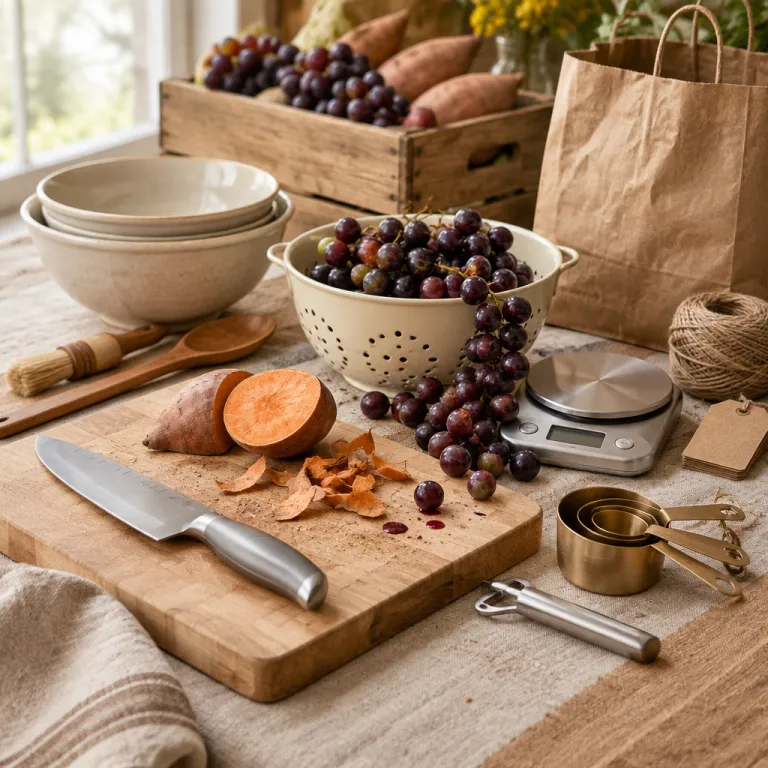
North Carolina fall produce recipes begin at the farmers market
Walk into the NC State Farmers Market in peak fall and the air smells like cured sweet potatoes and wood smoke. Stalls overflow with winter squash, leafy greens, apples and late season fruits vegetables that remind you why carolina fall is the best cooking season. This is where the most satisfying North Carolina fall produce recipes really start, not in a glossy cookbook.
By the time the month turns cool, every table seems stacked with butternut squash, delicata and other winter squash, plus crates of sweet potatoes in every shade of orange. You see bins of kale, mustard greens, collards and other greens right beside baskets of snow peas, muscadine grapes and mountain apples from the north and west of the state. That mix of fall produce is what gives Raleigh cooks the range to build healthy recipes that feel both rustic and restaurant ready.
Regulars know which farmers have the sweetest pumpkin and which truck bed hides the best squash butternut for roasting. They also know that north carolina growers treat soil like a long term recipe, rotating vegetables and fruits vegetables so the harvest stays strong and flavorful. When you cook from that kind of produce, even a simple side dish of roast potatoes with garlic and olive oil tastes like something you would chase across town.
Local chefs shop the same aisles, often early, grabbing crates of greens and winter squash before brunch service. You will spot line cooks from downtown Raleigh restaurants loading up on kale, mustard greens and sweet potatoes for fall recipes that end up on tasting menus. Those North Carolina fall produce recipes might look refined on the plate, yet they start with the same crates you roll past with a coffee in hand.
Think of the market as your mise en place for the whole season, not just a Saturday errand. One focused trip can stock your kitchen for a week of roast vegetables, quick soups and a sweet potato side dish or two. If you want more ideas for fast meals built from a single haul, the back to school suppers guide on Raleigh delis and thirty minute dinners pairs neatly with these fall produce habits.
Sweet potatoes in Raleigh: from sheet pan to bakery case
North Carolina grows more sweet potatoes than any other state, and Raleigh cooks treat them like a staple, not a holiday prop. At the market, you will see sweet potato crates labeled by variety, from dense garnet types to paler, almost chestnut tasting potatoes. That nuance matters when you are building North Carolina fall produce recipes that go far beyond the usual marshmallow casserole.
For a weeknight sheet pan, cut peeled sweet potatoes into thick coins, toss with a generous glug of olive oil, crushed garlic, salt pepper and a pinch of smoked paprika. Preheat oven to a hot setting, spread the vegetables in a single layer and roast for about twenty five minutes, turning once, until the edges char and the centers turn creamy. Those tender minutes in high heat give you a healthy side dish that works with roast chicken, grilled fish or a plate of sautéed greens.
When you want something more layered, simmer cubed sweet potatoes with onion, garlic and a splash of stock, then boil reduce the heat and let everything soften. Purée with a cup of coconut milk or cream, adjust salt pepper and you have a silky soup that tastes like a restaurant recipe but comes together in under forty minutes. Fold in shredded kale or mustard greens at the end for extra leafy greens and a deeper carolina fall flavor.
Raleigh bakeries have their own sweet approach, slipping roasted sweet potatoes into brioche doughs, morning buns and even laminated pastries. A few pastry chefs roast butternut squash or other squash butternut alongside sweet potatoes, then blend both into fillings that sit somewhere between pumpkin and custard. That technique is easy to borrow at home for your own fall recipes, especially if you like pies that lean more earthy than sugary sweet.
Seasonal cooking here runs on a calendar that starts with strawberries, moves through peaches and then lands firmly on sweet potatoes when the air cools. If you track that rhythm, the guide to when strawberry season arrives in North Carolina helps you plan, and the same logic applies to fall produce. You buy what the fields are giving, then build each recipe around one star ingredient, whether that is a single sweet potato variety or a mix of winter squash.
Muscadine grapes, mountain apples and the taste of carolina fall
Muscadine grapes are the thick skinned, perfume heavy grapes that signal true carolina fall at the market. They come in dusky purple and pale bronze, often sold in paper bags that drip juice by the time you reach the car. Their flavor is wild and sweet, with a foxiness that makes them polarizing yet unforgettable in North Carolina fall produce recipes.
To cook with muscadines, split each grape, pop out the seeds and simmer the pulp with a little sugar, a splash of water and maybe a strip of lemon peel. Boil reduce the heat once it bubbles, then cook for ten to fifteen minutes until the mixture thickens into a loose jam that still tastes bright. That jam can glaze roast pork, swirl into yogurt or anchor a side dish of sautéed greens and nuts that feels both savory and sweet.
Apple season in the north carolina mountains runs long, and those crates roll straight down I 40 into Raleigh. Farmers bring crisp varieties that hold shape when you roast them alongside butternut squash, sweet potatoes and other vegetables, turning a simple tray bake into something layered. Toss everything with olive oil, garlic, salt pepper and roast until the apples slump and the squash turns caramelized at the edges.
Local chefs often pair muscadine grapes with fatty meats or strong cheeses, using their sweet acidity the way others might use vinegar. You can steal that move at home by roasting chicken thighs over a bed of onions, apples and muscadine halves, letting the fruits vegetables baste the meat in their juices. The result tastes like a long simmered recipe, yet it only needs about forty five minutes in a hot oven.
Raleigh cooks already know how summer fruit shapes their menus, from peach cobblers to blueberry salads. For more on that warm weather rhythm, the feature on NC peaches and Chatham County blueberries shows how farmers market habits carry through the seasons. Apply the same mindset in fall, and muscadine grapes plus mountain apples become the backbone of both sweet and savory recipes.
Winter squash, leafy greens and the Raleigh restaurant playbook
Spend a week eating around downtown Raleigh and you will notice a pattern on fall menus. Winter squash, kale, mustard greens and other leafy greens show up everywhere, from small plates at Moore Square wine bars to hearty sides in neighborhood diners. Those dishes are basically North Carolina fall produce recipes translated through each chef’s personal style.
One common move is to roast cubes of butternut squash with olive oil, garlic and a little maple until they blister. After twenty to twenty five tender minutes in a hot oven, the squash turns sweet and caramelized, ready to toss with wilted greens and toasted seeds. At home, you can preheat oven to a similar temperature, roast a mix of squash butternut and sweet potatoes, then finish with a squeeze of lemon for balance.
Another restaurant trick uses a cup of stock to braise greens until they are silky but not dull. Start by sautéing garlic in olive oil, add chopped kale and mustard greens, then pour in stock and boil reduce to a gentle simmer. After about fifteen minutes, the greens turn tender while still tasting bright, especially if you finish the recipe with vinegar and salt pepper.
Chefs also lean on pumpkin and other squash for purées that anchor plates of grilled meats or roasted vegetables. You can mimic that by simmering pumpkin cubes with potatoes and garlic, then blending with a splash of cream into a smooth base for any side dish. It is one of those fall recipes that looks restaurant level but only asks for basic produce and thirty minutes of attention.
What ties these approaches together is respect for the harvest and a refusal to overcomplicate good vegetables. Whether you are cooking in a professional kitchen or at home in Raleigh, the best carolina fall plates start with fresh fall produce and a clear idea of texture. The goal is always the same, whether you roast, braise or purée, you want vegetables that taste like themselves, only louder.
One market trip, five easy North Carolina fall produce recipes
If you shop the NC State Farmers Market with a plan, one haul can fuel several nights of cooking. Think in categories, a couple of winter squash, a bag of leafy greens, a kilo of sweet potatoes, a head of garlic and some apples or muscadine grapes. With that basket, you can build a small roster of North Carolina fall produce recipes that feel varied without getting fussy.
Start with a tray of mixed roast vegetables, combining butternut squash, sweet potatoes and potatoes cut into even chunks. Toss everything with olive oil, crushed garlic, salt pepper and maybe a spoon of honey, then preheat oven and roast until the edges crisp and the centers turn soft. Those thirty to forty tender minutes give you a flexible side dish that can anchor grain bowls, top salads or sit beside grilled sausages.
On another night, turn leftover roast vegetables into a healthy soup by simmering them with stock and a cup of water, then blending smooth. Boil reduce the mixture if it seems thin, adjust seasoning and finish with a swirl of yogurt or olive oil for richness. Add chopped kale or mustard greens at the end so the leafy greens stay bright and give the recipe more texture.
Use the remaining sweet potatoes for a quick hash, dicing them small and sautéing with onions, garlic and snow peas until everything browns. That mix works under fried eggs for brunch or as a side dish with roast chicken, especially if you finish with herbs and a squeeze of citrus. Any extra apples or muscadine grapes can slide into a simple skillet dessert, cooked with butter and sugar until syrupy and spooned over yogurt.
Raleigh cooks who eat out a few nights a week know that home cooking has to earn its place. These simple recipes do that by turning fall produce into meals that feel as satisfying as a neighborhood bistro plate. The real test is not the Yelp star, but the line out the door on a Tuesday.
FAQ
What fall produce is best at the NC State Farmers Market?
The NC State Farmers Market shines in fall with sweet potatoes, winter squash, kale, mustard greens, collards, apples and muscadine grapes. You will also find pumpkins, hardy herbs and late season vegetables like snow peas and radishes. Shopping there lets you build recipes around peak season north carolina harvest rather than supermarket guesswork.
How do I roast sweet potatoes so they are crisp outside and soft inside?
Cut sweet potatoes into even pieces, toss with olive oil, garlic, salt pepper and spread them in a single layer on a hot pan. Preheat oven thoroughly, then roast at high heat without crowding for about twenty five to thirty minutes, turning once. That combination of space, high temperature and enough fat gives you caramelized edges and tender centers.
What can I do with muscadine grapes besides eating them fresh?
Muscadine grapes work well cooked into jams, pan sauces and desserts because their thick skins and intense flavor hold up to heat. You can simmer them with sugar and water, then boil reduce to a syrup that glazes meats or spoons over yogurt. They also pair nicely with cheeses and roasted vegetables in savory side dishes.
How can I use winter squash and leafy greens together for weeknight dinners?
Roast cubes of butternut squash or other winter squash with olive oil and garlic while you sauté kale or mustard greens on the stove. Toss the roasted squash with the wilted greens, add nuts or cheese and you have a complete side dish or light main. This approach fits busy Raleigh schedules because most of the work happens in under forty minutes.
Are these North Carolina fall produce recipes suitable for healthy eating?
Most of these recipes rely on vegetables, fruits vegetables, olive oil and modest seasoning, which keeps them nutrient dense and satisfying. Sweet potatoes, kale, mustard greens and winter squash all bring fiber, vitamins and natural sweetness without heavy sauces. You can adjust salt pepper and fats to your own needs while still enjoying full carolina fall flavor.