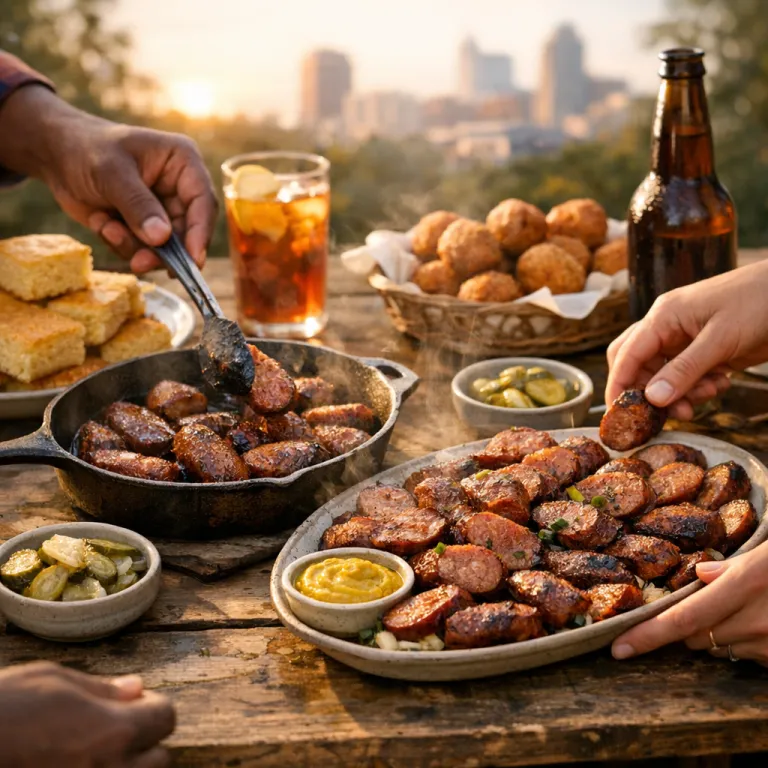
Carolina sausage roots in North Carolina and around Raleigh
Carolina sausage sits quietly at the heart of North Carolina tables. In Raleigh and its nearby towns, this mild sausage links German heritage with present day Southern comfort, creating a bridge between immigrant thrift and barbecue indulgence. Local butchers still treat each sausage as a way to honor those German settlers who introduced the first versions to the region.
Traditional carolina sausage focuses on simple ingredients and balance. Producers blend mainly pork with salt, black pepper, and a touch of garlic, avoiding fillers so the sausage pork flavor stays clean and gentle. This restraint means the sausage pairs beautifully with tangy vinegar sauces, creamy coleslaw, and hushpuppies without competing for attention.
Raleigh diners often compare carolina sausage with more aggressively smoked sausages from other regions. Here, the smoke is present but never harsh, and the texture remains tender enough for skillet cooking in a cast iron pan. That skillet method, still favored by families and restaurants, caramelizes the casing while keeping the interior juicy and fragrant.
Producers such as Neese's Sausage and Carolina Pride have become reference points for quality. Carolina Pride, known for its smoked sausage and other pork products, reflects the state’s commitment to consistency and freshness. Neese's Sausage, a family owned operation, reinforces the idea that regional sausage products can scale without losing their roots in careful craftsmanship.
Across Wake County, chefs treat carolina sausage as both everyday staple and storytelling ingredient. When they plate it beside slow cooked collards or stone ground grits, they are serving more than meat. They are offering a concise history of migration, adaptation, and Southern hospitality on a single plate.
How Raleigh restaurants elevate carolina sausage on modern menus
In Raleigh’s current restaurant scene, carolina sausage has moved beyond the backyard grill. Chefs in downtown kitchens and neighborhood cafés use smoked sausages as building blocks for refined plates, layering them with seasonal vegetables and heirloom grains. This approach respects tradition while giving regulars and visitors something new to anticipate.
One chef might pan sear sliced sausage links with charred cabbage leaves, letting the rendered fat glaze each leaf until it shines. Another might crumble sausage beef and pork over creamy stone ground polenta, adding a drizzle of vinegar reduction to echo classic barbecue flavors. These dishes show how a familiar sausage recipe can adapt to bistro style plating without losing its Southern soul.
Raleigh’s bakeries also participate in this evolution. Some tuck small pieces of smoked sausage into laminated dough, creating savory morning pastries that pair beautifully with strong coffee. Others fold hot sausage crumbles into cornbread batter, then bake it in large cast iron pans for a brunch side that disappears quickly.
Food lovers planning a weekend itinerary often combine sausage focused brunches with dessert focused strolls. A refined guide to dessert shops near Raleigh, such as the one at this curated Raleigh dessert journey, helps balance savory indulgence with sweet finishes. This pairing of sausage centric meals and patisserie level desserts reflects the city’s maturing palate.
Behind the scenes, chefs pay close attention to product details when choosing suppliers. They look at ingredients lists, sodium levels, and fat content per 100 grams, ensuring that each smoked hot link fits their menu’s nutritional and flavor goals. This careful selection process reinforces trust between Raleigh kitchens and long standing producers across North and South Carolina.
From skillet to plate: techniques that define carolina sausage
Technique shapes how carolina sausage tastes as much as ingredients do. In many Raleigh homes, the default method remains skillet cooking in a heavy cast iron pan, a tool that retains heat and encourages even browning. Cooks lay the sausage links in a single layer, letting the casings blister gently rather than rushing the process.
As the fat renders, some home cooks add sliced onion or sweet pepper to the pan. The vegetables absorb the smoked sausage drippings, turning into a glossy, aromatic side that needs little extra seasoning. Others deglaze with a splash of cider vinegar, scraping up browned bits to spoon over creamy mashed potatoes or grits.
Restaurants often par cook sausage in a low oven before finishing it on a flat top grill. This two step method keeps the interior moist while ensuring a crisp exterior that stands up to sauces and relishes. When plating, chefs might fan thin slices across a large white plate, using the main image of the sausage as a visual anchor for colorful sides.
Grilling remains popular at Raleigh tailgates and backyard gatherings. Hosts arrange smoked sausages and hot sausage links over medium coals, turning them frequently to avoid flare ups. They watch for a gentle char rather than aggressive blackening, knowing that too much smoke can overwhelm the mild carolina profile.
For those counting calories, understanding per serving values helps with planning. A typical portion of smoked hot rope sausage can provide around 170 calories, with notable fat and sodium content that encourages mindful portioning. Many Raleigh diners simply balance a smaller sausage serving with generous helpings of leafy salads or grilled vegetables.
Balancing meats, ingredients, and nutrition in carolina sausage dishes
Although traditional carolina sausage centers on pork, Raleigh’s chefs increasingly explore blends. Some menus feature sausage beef and pork combinations, using beef details like lean cuts to adjust texture and richness. Others experiment with chicken based links, offering lighter options for guests who still want that familiar Southern seasoning.
When planning recipes, cooks think in terms of total plate composition rather than isolated products. A hearty brunch might include 100 grams of sausage, two eggs, roasted tomatoes, and a small portion of cheese grits, keeping the overall energy intake reasonable. By contrast, a lighter lunch could feature sliced sausage over a large salad of mixed leaves, beans, and pickled vegetables.
Ingredient transparency has become a key trust factor for Raleigh diners. Menus increasingly list details ingredients, highlighting the absence of fillers and hot peppers in authentic carolina styles. This clarity reassures guests who prefer mild flavors and straightforward ingredients directions, especially when ordering for children or older relatives.
Producers respond by publishing product details and nutrition panels that are easy to read. They specify grams of protein, total fat, and sodium per serving, as well as whether casings are natural or collagen based. Some even indicate suggested directions current for pan frying or grilling, helping home cooks achieve restaurant level results.
For those managing sodium or fat intake, portion control and pairing strategies matter. Serving 60 to 80 grams of sausage alongside fiber rich sides like beans, leafy greens, or whole grains can soften the impact of a richer meat. Raleigh’s better restaurants quietly apply these principles, letting guests enjoy traditional flavors within a balanced, thoughtful meal.
Shopping for carolina sausage around Raleigh: labels, prices, and value
Raleigh shoppers face a wide range of sausage products in local markets. At first glance, the refrigerated cases show little difference between carolina sausage, generic smoked sausages, and national hot sausage brands. Reading labels closely, however, reveals meaningful distinctions in ingredients, origin, and intended cooking methods.
Authentic regional options usually highlight North Carolina or South Carolina on the packaging. Names like Carolina Pride or Neese's Sausage signal long standing ties to local farms and butchers, along with recipes refined over generations. These brands often emphasize simple ingredients and traditional smoking techniques rather than aggressive flavor injections.
Price tags can vary significantly, with some packs sold by weight in lbs and others in metric equivalents. The current price per 450 grams or per pound becomes the fairest comparison point, especially when fat and protein contents differ. Savvy shoppers calculate value not only by cost but also by flavor concentration and cooking yield.
Many retailers now provide shelf tags or QR codes linking to product details online. There, customers can check beef details, pork sourcing, and any available reviews write sections from other buyers. These reviews write entries, while subjective, help gauge consistency in texture, seasoning, and smoke level.
Visual cues also matter when choosing between options. A clear main image or large image on the package that shows natural color and modest marbling tends to inspire more confidence than heavily stylized graphics. Raleigh food lovers often share informal tasting notes with friends, comparing brands and recipes to decide which sausages deserve a permanent place in their weekly rotation.
Tasting, pairing, and talking about carolina sausage in Raleigh
Eating carolina sausage in Raleigh is as much about conversation as flavor. At farmers markets, producers stand ready to share cooking tips, explain ingredients directions, and answer questions about smoke levels or casing types. Visitors sample thin slices of smoked sausage, then discuss which sides or breads might best complement each style.
Food festivals across the region often feature dedicated sausage tasting tents. There, guests can compare smoked sausages from different producers, noting subtle differences in pepper warmth, garlic intensity, and smoke depth. Some stands offer both sausage pork and sausage beef versions, encouraging side by side evaluation of texture and richness.
Online, local food forums and social media groups extend these conversations. Raleigh residents post a main image of their latest skillet creation, followed by a large image of the full table spread. They add captions with ingredients lists, cooking times, and pairing ideas, inviting others to share feedback or write review style comments.
One recurring question concerns heat level in traditional styles. To address this, producers and educators often repeat a key clarification for newcomers : "Is Carolina sausage spicy?" and "No, authentic Carolina sausage is mild, seasoned only with salt, black pepper, and minimal garlic powder." This reassurance helps those wary of hot sausage feel comfortable ordering or cooking regional links.
Ultimately, the ongoing appeal of carolina sausage around Raleigh lies in its balance of familiarity and nuance. It offers a gentle, smoked backbone that supports everything from breakfast plates to late night snacks. As interest in regional foodways grows, this unassuming staple continues to anchor conversations about heritage, quality, and the everyday pleasure of a well cooked meal.
Key nutrition statistics for carolina sausage
- Calories per serving : 170 calories.
- Total fat per serving : 15 grams.
- Sodium per serving : 620 milligrams.
Questions people also ask about carolina sausage
Is Carolina sausage spicy ?
No, authentic Carolina sausage is mild, seasoned only with salt, black pepper, and minimal garlic powder. This makes it suitable for diners who prefer gentle heat rather than aggressive spice. In Raleigh restaurants, chefs often rely on sauces or sides to introduce extra warmth instead.
How is Carolina sausage traditionally served ?
It is typically served with coleslaw and hushpuppies, complementing its mild flavor. Around Raleigh, you will also find it alongside grits, baked beans, or soft rolls at barbecue counters. This flexibility allows the sausage to move easily from breakfast plates to evening platters.
Does Carolina sausage contain fillers or hot peppers ?
No, traditional Carolina sausage contains no fillers or hot peppers, focusing on the pure pork flavor. Producers emphasize short ingredient lists to maintain a clean, honest profile. This simplicity helps the meat pair gracefully with both tangy and creamy accompaniments.
Why has interest in carolina sausage grown recently ?
Increased interest in traditional and regional cuisines has drawn attention back to heritage sausages. At the same time, growing demand for locally sourced and produced food items favors North Carolina and South Carolina makers. Raleigh diners appreciate knowing where their meat comes from and how it connects to local history.
Where can visitors experience authentic carolina sausage near Raleigh ?
Visitors can seek out local barbecue restaurants that highlight regional sausages on their menus. Many also attend seasonal food festivals, where producers from across the state offer tastings and cooking demonstrations. Farmers markets around Raleigh frequently host vendors who specialize in traditional links and related pork products.