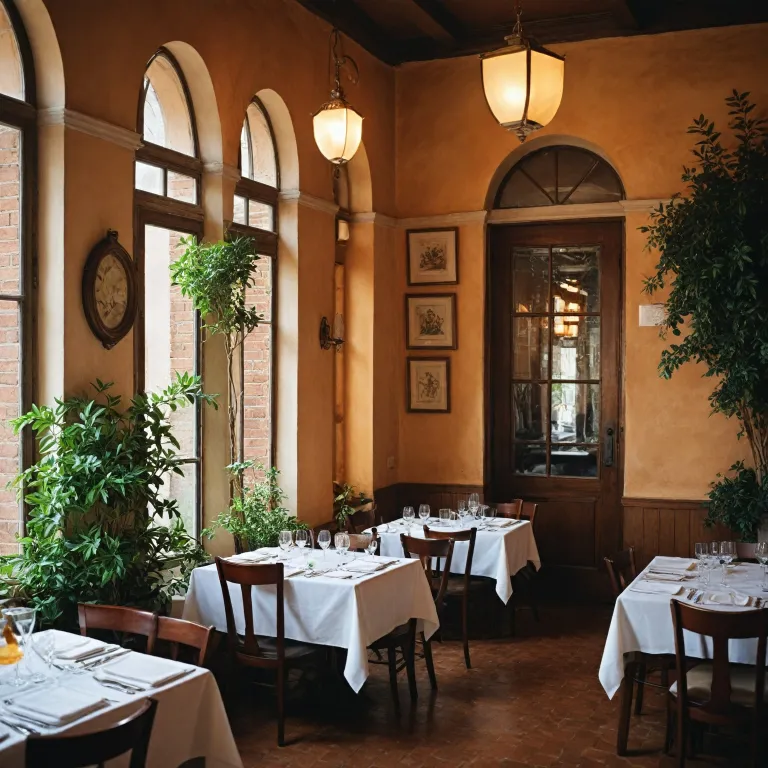
Fine dining in Raleigh that feels tailored to locals
Fine dining in Raleigh has shifted from special occasion formality toward a more relaxed elegance that still respects technique. The city’s restaurant culture now blends Southern hospitality with global polish, creating a dining experience that feels intimate even in busy dining rooms. For people who like good food around Raleigh, this balance between refinement and warmth defines the current fine dining Raleigh moment.
At the heart of this evolution stands Peregrine, a restaurant that quickly became a reference point for the dining scene. Led by chef and co owner Saif Rahman, the kitchen focuses on innovative dishes that weave global flavors through carefully sourced local ingredients. This approach positions Peregrine among the restaurants Raleigh diners mention when they talk about the Raleigh best places for a modern tasting menu.
East End Bistrot adds a French accent to fine dining Raleigh, pairing precise technique with a rotating menu that follows the seasons. The restaurant’s dishes often highlight North Carolina produce, showing how French methods can elevate local vegetables, seafood, and chicken without feeling heavy. For guests, the result is a dining experience that feels both classic and current, supported by a thoughtful wine list and attentive but unpretentious service.
Boatman Spirits Co. extends the fine dining Raleigh conversation into the bar and distillery world, with Mediterranean inspired plates and house made spirits. Its downtown Raleigh location makes it a natural stop before or after a show, especially for guests who appreciate a serious cocktail program. In this setting, the bar becomes as central to the restaurant identity as the kitchen, reinforcing how broad the city’s dining scene has become.
Steakhouses, institutions, and the power of a polished dining room
No portrait of fine dining Raleigh is complete without acknowledging the city’s steakhouse heritage. Angus Barn, a landmark restaurant in north Raleigh, has long defined what a classic American steakhouse can be when it takes hospitality seriously. Its extensive wine list and carefully aged beef have shaped expectations for every steakhouse Raleigh diners visit afterward.
In the broader steakhouse category, national names like Ruth Chris and Capital Grille also influence how locals think about the best cuts and service standards. These restaurants offer private dining rooms, polished bar programs, and menus that balance steak with seafood, salads, and composed chicken dishes. For many guests, a first serious dining experience often happens in a steakhouse, which helps explain their lasting emotional pull.
Within downtown Raleigh, the historic Second Empire Restaurant and Tavern continues to anchor the fine dining Raleigh landscape. Housed in a restored Victorian mansion sometimes referred to as House Raleigh in local conversations, it offers a formal dining room upstairs and a more relaxed tavern downstairs. The restaurant’s commitment to service, presentation, and a carefully structured menu shows how a second generation institution can stay relevant in a fast changing dining scene.
These establishments also illustrate why reservations recommended has become a standard phrase in the city’s restaurant language. Whether booking through OpenTable or calling directly, planning ahead is essential for securing prime times at the Raleigh best steakhouses and white tablecloth rooms. For diners, that small act of preparation often ensures a smoother dining experience, from the first greeting at the bar to the final dessert course.
Italian elegance, Mediterranean flair, and the rise of mulino
Italian cooking holds a special place in the fine dining Raleigh landscape, offering comfort wrapped in sophistication. Guests often seek an Italian restaurant when they want both familiarity and a sense of occasion, from handmade pasta to carefully curated wine. In this context, the idea of a mulino Italian style space, evoking mills and rustic textures, resonates strongly with local diners.
Mulino, a well known Italian inspired restaurant in Raleigh, leans into this aesthetic with a courtyard setting and a menu that moves confidently between regional classics and modern plates. The restaurant’s dishes often highlight local produce, seafood, and house made pasta, creating a bridge between Italian traditions and North Carolina farms. For many regulars, an evening at Mulino Italian style restaurants Raleigh offers feels like a brief escape to the Mediterranean without leaving downtown Raleigh.
Mediterranean influences also shape Boatman Spirits Co., where the bar program and kitchen collaborate closely. Here, the rotating menu might feature grilled fish, vibrant vegetable plates, and spiced chicken skewers that pair naturally with house distilled spirits. This synergy between restaurant and distillery reflects a broader dining scene trend, where beverage programs are treated with the same seriousness as the food.
Across Raleigh, Italian and Mediterranean restaurants show how fine dining can remain approachable while still aiming for the best standards. Many of these spaces offer private dining options for celebrations, business dinners, or wine list driven tasting events. For people who like good food around Raleigh, these restaurants provide a second layer of the fine dining Raleigh story, one built on generosity, shared plates, and long conversations at the table.
Farm to table precision and Raleigh’s evolving restaurant identity
One of the defining strengths of fine dining Raleigh today is its commitment to local sourcing. Chefs across the city work closely with farmers, fishers, and artisans to build menus that reflect the region’s seasons. This farm to table focus gives each restaurant a distinct identity while tying the broader dining scene together.
Peregrine exemplifies this approach by using innovative techniques to highlight local ingredients in globally inspired dishes. Chef Saif Rahman and his team might pair North Carolina vegetables with spices from South Asia or the Middle East, creating flavors that feel both new and grounded. This kind of dining experience shows how a restaurant can honor its region while still pushing boundaries in a way that will leave guests talking long after the meal.
East End Bistrot follows a similar philosophy, using French methods to frame Southern ingredients in a refined context. Its rotating menu allows the chef to respond quickly to what nearby producers are harvesting, whether that means delicate spring greens or late summer stone fruit. For diners, this means that returning even a second time within a season can reveal a different side of the kitchen’s creativity.
For readers interested in how this local focus shapes the broader culinary culture, an in depth look at Raleigh’s vibrant farm to table food scene offers valuable context. Together, these restaurants Raleigh residents frequent help position the city as a serious food destination. As more chefs arrive and more partnerships with local producers form, fine dining Raleigh will continue to refine its voice while staying rooted in North Carolina soil.
Reservations, technology, and how locals actually eat out
Behind every polished dining room in Raleigh lies a web of logistics that shapes how guests experience a night out. Online platforms such as OpenTable have become central to managing demand, especially at the Raleigh best restaurants where reservations recommended is more necessity than suggestion. For diners, learning how each restaurant handles bookings can significantly improve the overall dining experience.
Many fine dining Raleigh establishments now balance online reservations with phone calls and email requests for private dining. A steakhouse Raleigh guests love, for example, might hold back a portion of its tables for regulars or last minute walk ins at the bar. This hybrid approach allows restaurants to maintain flexibility while still giving structure to busy evenings in downtown Raleigh and north Raleigh corridors.
Technology also shapes how menus are presented and updated, particularly when a rotating menu is central to the concept. Some restaurants Raleigh locals frequent will adjust dishes daily based on what arrives from local farms, updating digital menus in real time. Others maintain a stable core menu of American and Italian inspired favorites, adding seasonal specials as a second layer for returning guests.
For people who like good food around Raleigh, understanding these rhythms helps in choosing where to go on any given night. A spontaneous craving for a bar seat and a glass from a deep wine list might lead to a classic steakhouse, while a carefully planned anniversary could point toward a tasting menu at Peregrine or East End Bistrot. In every case, the fine dining Raleigh ecosystem rewards a bit of planning, curiosity, and willingness to engage with the restaurant on its own terms.
Media, reviews, and how authority shapes the dining scene
As Raleigh’s dining scene has grown more sophisticated, media coverage and awards have played a larger role in shaping public perception. Local outlets such as Raleigh Magazine highlight new restaurants, chef profiles, and neighborhood trends, giving readers a curated view of what matters. National recognition, including James Beard Award semifinalist nods, reinforces the idea that fine dining Raleigh belongs on the broader culinary map.
When a restaurant earns this kind of attention, it often experiences a second wave of interest from both locals and visitors. Diners who might have hesitated to try a tasting menu or a more formal dining room feel reassured by expert validation. For chefs and owners, this visibility can support long term stability, allowing them to invest in staff training, wine list depth, and more ambitious dishes.
At the same time, experienced diners know that awards and headlines are only one part of the story. Quietly excellent restaurants Raleigh residents cherish may never appear on a national list yet still deliver a memorable dining experience night after night. In these spaces, a well executed chicken dish, a balanced bar program, and attentive service can matter more than any plaque on the wall.
Many restaurant websites now include phrases such as “all rights reserved” in their footers, a small reminder of how professionalized the industry has become. Yet the essence of fine dining Raleigh remains deeply human, built on relationships between chefs, servers, producers, and guests. For people who like good food around Raleigh, the most meaningful authority often comes from a trusted friend’s recommendation shared over coffee the next day.
How Raleigh’s fine dining future will leave a lasting impression
Looking ahead, the fine dining Raleigh landscape appears poised for continued growth, driven by both established institutions and ambitious newcomers. Restaurants like Angus Barn, Second Empire, Mulino, and Peregrine provide a stable foundation on which younger chefs can build. Their combined influence shapes expectations for service, menu design, and the overall dining experience across the city.
One likely direction involves even deeper collaboration with local producers, as chefs seek to differentiate their restaurants Raleigh wide. A steakhouse Raleigh diners love might highlight specific farms on its menu, while an Italian or American inspired spot could feature limited runs of seasonal dishes. This focus on origin stories strengthens the emotional connection between guests and the food on their plates.
Another trend to watch is the continued blending of bar culture and fine dining, especially in downtown Raleigh and north Raleigh neighborhoods. As more restaurants invest in serious cocktail programs and expansive wine lists, the line between bar and dining room grows softer. Guests may start an evening with small plates at the bar before moving to a second course in the main room, creating a more fluid, personalized dining experience.
Ultimately, what will leave the strongest impression is Raleigh’s ability to remain welcoming while raising standards. Whether you are booking through OpenTable, paging through Raleigh Magazine, or simply walking into a neighborhood spot with reservations recommended, the city’s restaurants aim to make you feel cared for. In that sense, fine dining Raleigh is less about formality and more about the quiet luxury of being genuinely looked after at the table.
Key numbers shaping Raleigh’s fine dining landscape
- Number of James Beard Award semifinalists in Raleigh in the most recent cycle mentioned in this context : 3 restaurants.
- Years Angus Barn has been in continuous operation as a Raleigh steakhouse institution : 66 years.
Questions people also ask about fine dining in Raleigh
What are some must visit fine dining restaurants in Raleigh ?
Notable fine dining establishments in Raleigh include Peregrine, East End Bistrot, Boatman Spirits Co., and the longstanding Angus Barn.
Has Raleigh received national recognition for its culinary scene ?
Yes, Raleigh's dining scene has garnered national attention, with several local chefs and restaurants recognized as 2026 James Beard Award semifinalists. (axios.com)
Are there any new fine dining restaurants in Raleigh ?
Recent additions to Raleigh's fine dining scene include East End Bistrot, which opened in March 2023, and Peregrine, which opened in April 2025. (axios.com)
How should diners plan for a fine dining evening in Raleigh ?
Make reservations in advance, especially for popular establishments, explore different neighborhoods to experience the diverse culinary offerings, and check for seasonal menus and special events.
What defines Raleigh’s current fine dining style ?
Raleigh’s fine dining style blends farm to table sourcing, global influences, and polished yet relaxed service, supported by strong beverage programs and a growing base of nationally recognized chefs.